A fully underground rail spine now links South Mumbai to the northern suburbs in one
Get DetailsThere is something quietly historic about a train that runs, almost entirely, beneath the feet of a city that has spent a century looking upward for its answers. Mumbai Metro Line 3, better known as the Aqua Line, has now closed the loop it first opened in 2024, and in doing so it has redrawn the city's mental map more decisively than perhaps any single infrastructure project in a generation. Mumbai Metro's Aqua Line is a 33.5 km underground line with 27 stations connecting Cuffe Parade – BKC – Aarey Depot. It is a route that stitches together the financial gravity of Nariman Point, the commercial pulse of Bandra Kurla Complex, and the residential sprawl of the western suburbs into a single, continuous underground journey.
The rollout happened in careful phases, each one a small event in its own right. The 12.69 km Phase 1 from BKC to Aarey JVLR was inaugurated by Prime Minister Narendra Modi on October 5, 2024, with commercial operations beginning at 11 am on October 7, 2024. Seven months later, Phase 2A of the line, stretching from BKC to Acharya Atre Chowk and covering an additional five stations, was inaugurated on 9 May 2025 under CM Devendra Fadnavis. Then, in the second half of 2025, the final and arguably most consequential piece fell into place. The final 10.99 km section of the line from Acharya Atre Chowk to Cuffe Parade was inaugurated on 8 October 2025. With that, the entire underground spine — from the southern tip of the island city to the green edge of Aarey — became a single, unbroken ride.
The numbers behind this achievement are worth pausing on. Mumbai Metro Rail Corporation Limited (MMRC) is the nodal agency responsible for building this primarily-underground line, constituted as a JV of the Government of India and the Government of Maharashtra on a 50:50 sharing basis, and it will be operated and maintained by Delhi Metro Rail Corporation for a period of 10 years. Ridership has responded quickly to the added convenience: the line's daily ridership reached 150,000 by October 2025, a figure that will only climb as more stretches bed in and commuting habits adjust. Fares remain accessible for a metro of this ambition, with ticket prices on Phase 1 ranging from Rs 10 to Rs 50.
For Mumbai's real estate landscape, the significance runs deeper than the convenience of a faster commute. The Colaba-Bandra-SEEPZ line is intended to change Mumbai's real estate landscape, and since construction began in 2017, numerous developers have expressed interest in projects along its corridors. Property analysts have long argued that the ripple effects extend well beyond the stations themselves. The initial phase of the metro's inauguration was expected to assist a variety of micro markets, covering the CBD, SBD, and the North, West, and Eastern suburbs. Some go further still: analysts suggest that once the Aqua Line is fully operating, residential property values in Navi Mumbai and Thane will rise, a spillover effect that speaks to how interconnected the Mumbai Metropolitan Region's transit and housing markets have become.
The story does not end with Line 3, either. Mumbai's transit map is being redrawn on multiple fronts simultaneously, and the most consequential companion project is the Green Line — Metro Line 4 — which will eventually connect Wadala to Thane's Kasarvadavali. This is an elevated corridor rather than an underground one, but its ambition matches the Aqua Line's own. The Mumbai Metropolitan Region Development Authority proposed the 32 km Wadala-Thane-Kasarvadavali metro line as part of a plan to build six new metro lines at a total estimated cost of ₹64,000 crore. Progress has been steady if incremental: after Mumbai, Nagpur, Pune and Navi Mumbai, Thane is set to join the metro map, with the Chief Minister and Deputy Chief Minister flagging off the trial run of Phase-1 of Metro Lines 4 and 4A. Once fully operational — targeted for late 2026 on early sections — Line 4 will do for the Mumbai-Thane commute what the Aqua Line has already done for the island city's north-south axis, and the two lines together promise to knit the wider metropolitan region into something closer to a single, navigable whole.
For homebuyers, the practical takeaway is straightforward but important: proximity to a metro station is no longer a nice-to-have footnote in a project brochure, it is fast becoming one of the defining variables in how a neighbourhood is priced and perceived. Homes within comfortable walking distance of an Aqua Line station — whether in the SoBo redevelopment corridor, the BKC-adjacent stretches, or the Andheri-Goregaon-Aarey belt — are increasingly viewed as long-term bets on convenience that no amount of future traffic can erode. As Line 4 advances toward Thane and the wider metro network fills in its remaining gaps, that same logic is beginning to extend into the Mumbai Metropolitan Region's eastern and northern growth corridors, changing how buyers weigh location against lifestyle.
Bandra East, Mumbai
To be announced • Pricing on request
11-acre railway land, ₹5,400 Cr bid, next to BKC
Bandra East, Mumbai
TBA • Price on Request
11-acre railway land parcel beside Western Express Highway
Juhu, Mumbai
To Be Announced • Price on Request
1.85-acre sea-facing redevelopment
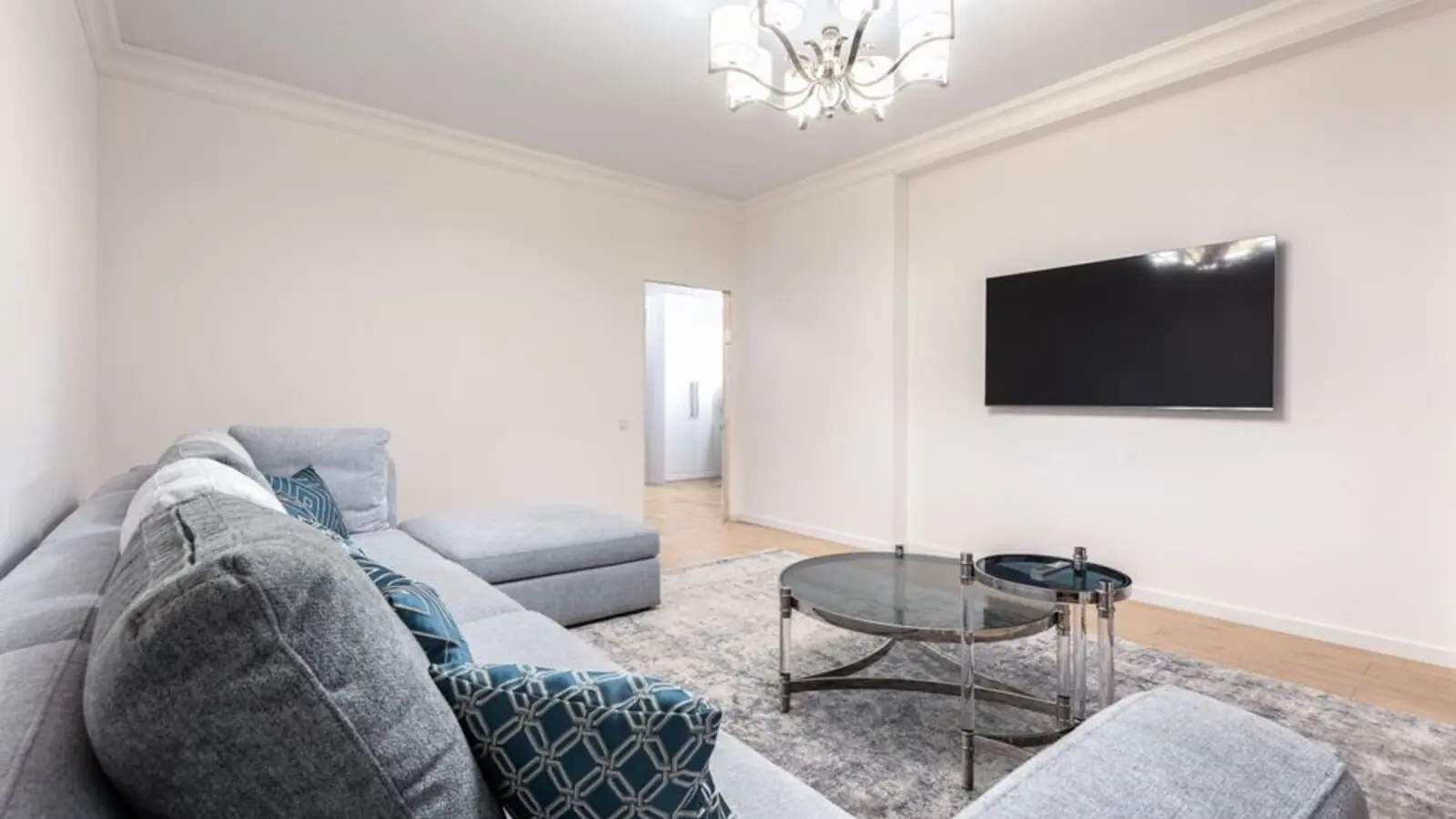
Versova, Andheri West, Mumbai
To be announced • Price on Request
17.18 lakh sq ft MHADA redevelopment
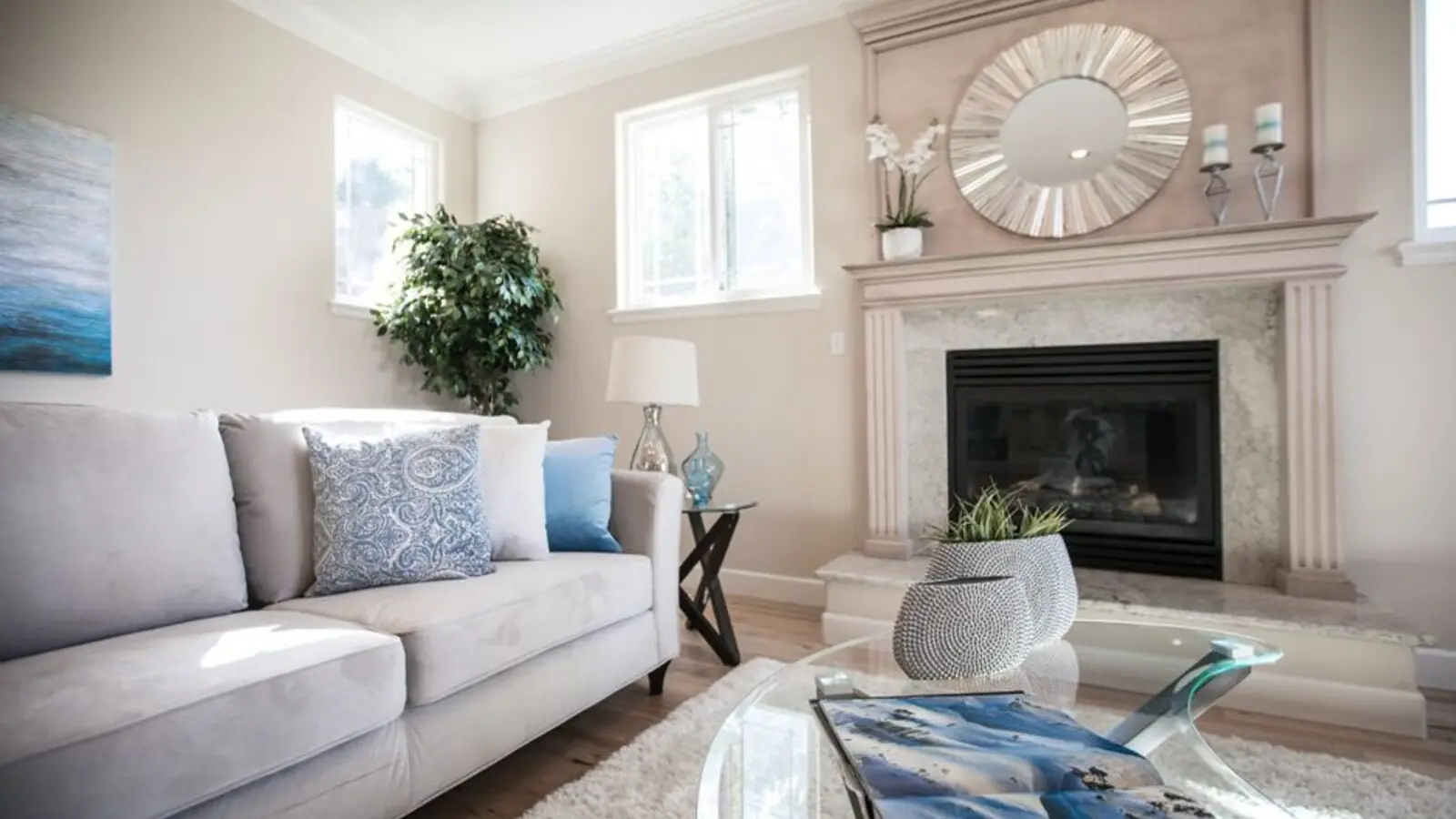
Malabar Hill, Mumbai
3, 4 BHK • Price on request
Cluster redevelopment on Mumbai's most prestigious hill
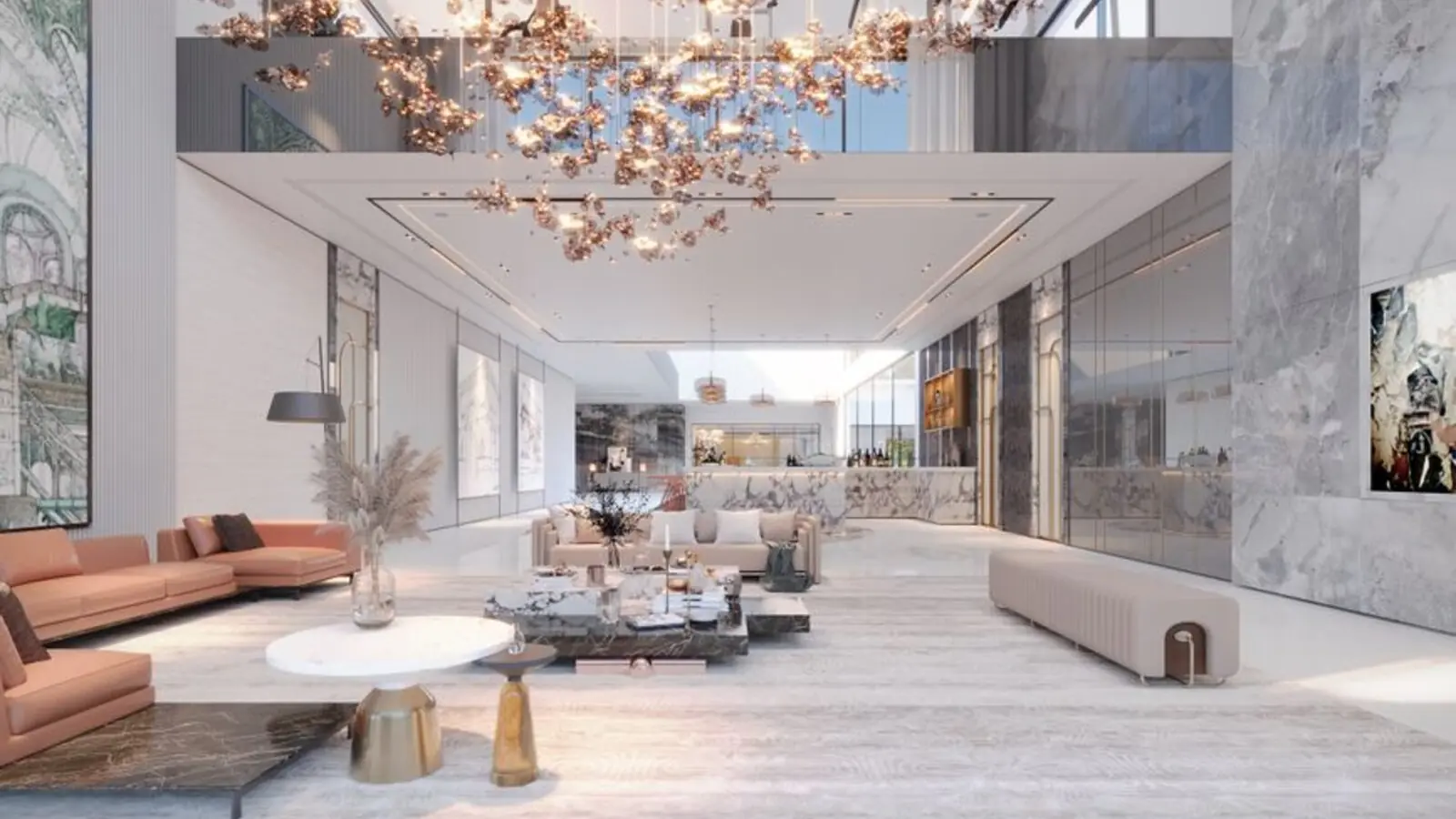
Worli, Mumbai
Ultra-luxury residences • Price on request
India's first Aman-branded residences
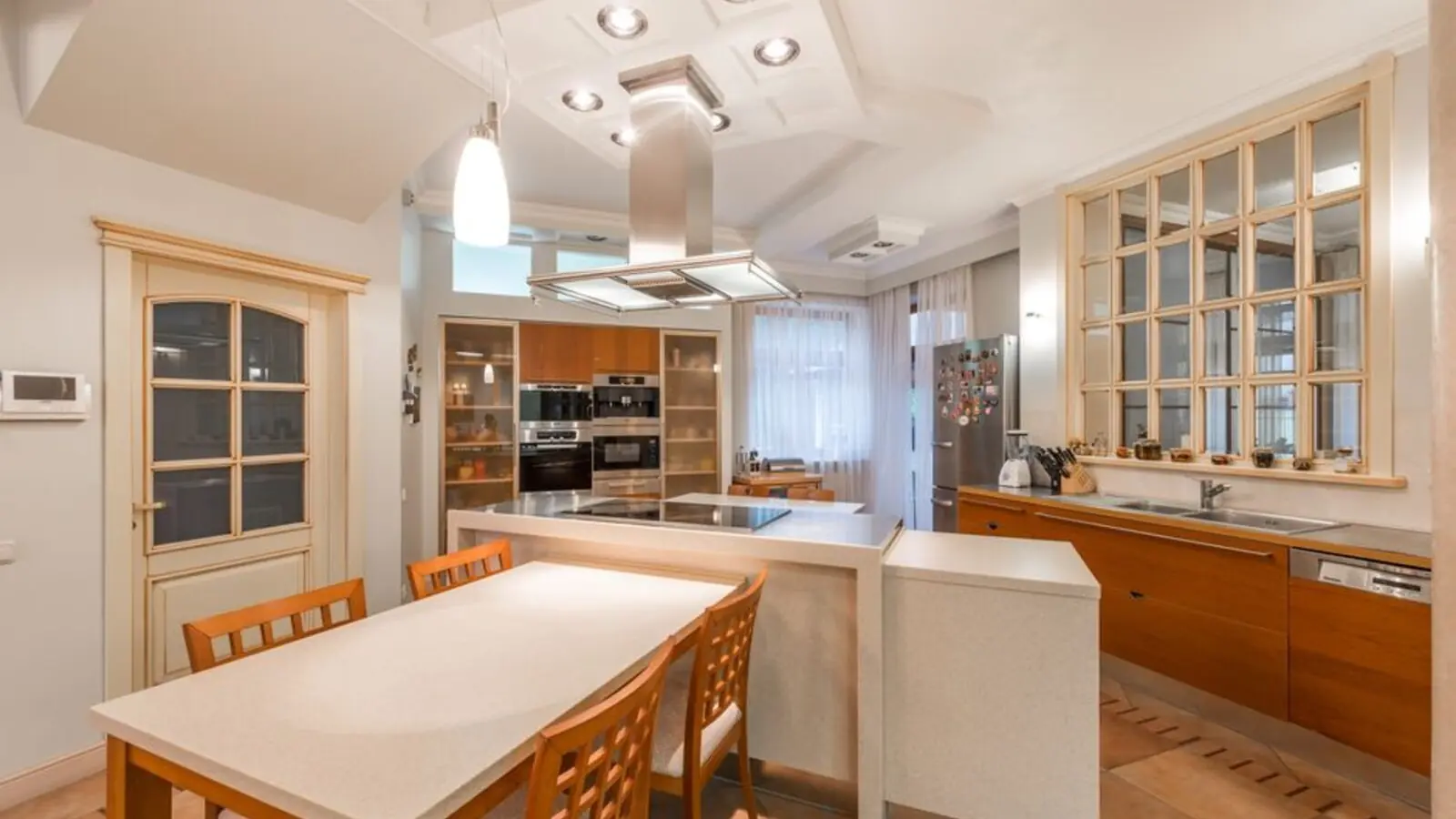
Karjat, Mumbai
Residential Plots • Price on Request
Gated hillside plots in the Sahyadri foothills
Worli, Mumbai
3, 4 BHK • Price on Request
MHADA redevelopment on Worli Seaface
Fill in your details and our team will get back to you shortly with pricing, availability, and more.
The information here is shared in good faith for guidance alone and forms no part of any agreement. All figures, layouts, and images are subject to revision. Please confirm every detail with an authorised representative before proceeding. About · Projects
Share your details and our expert will call you back.