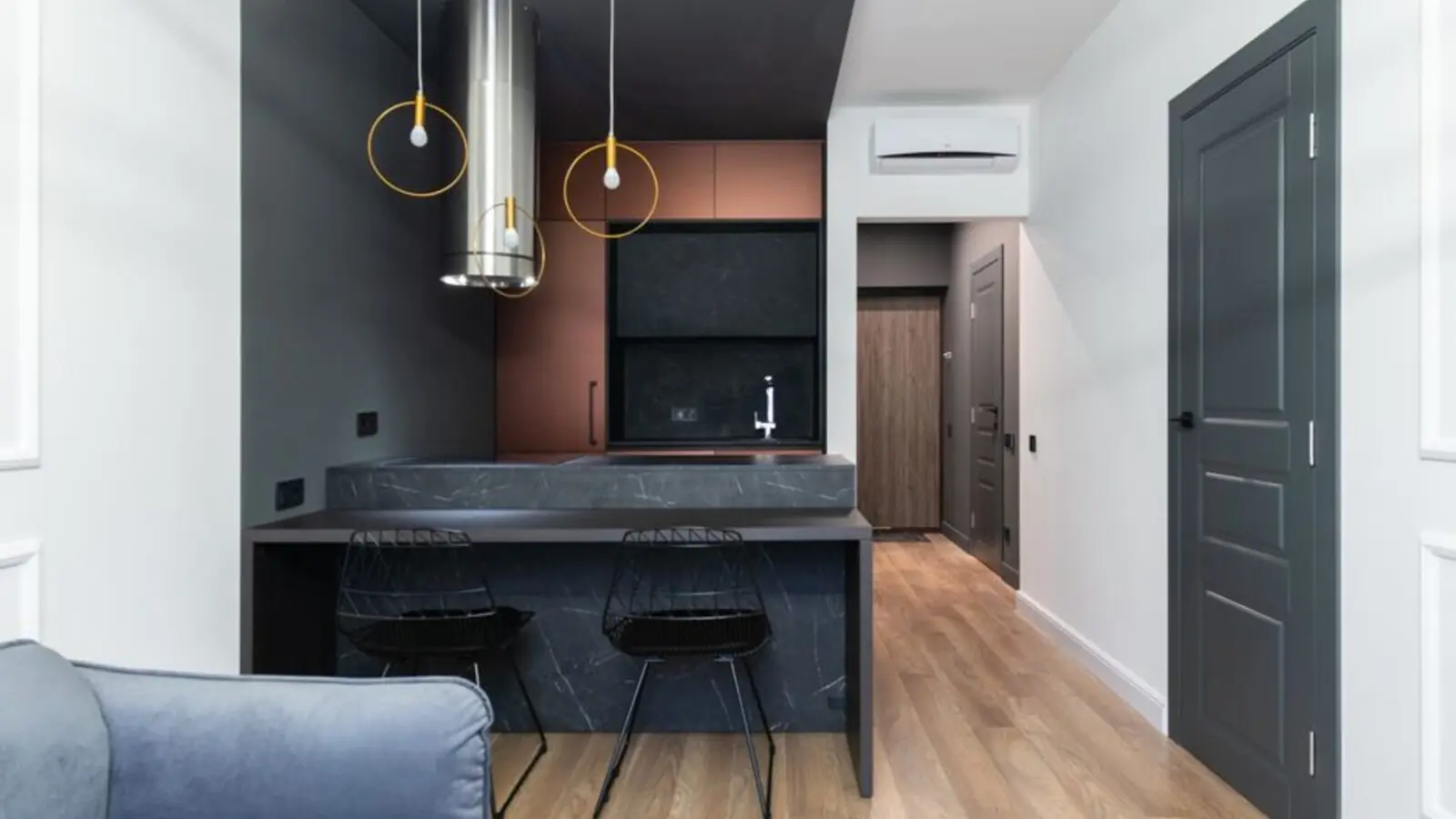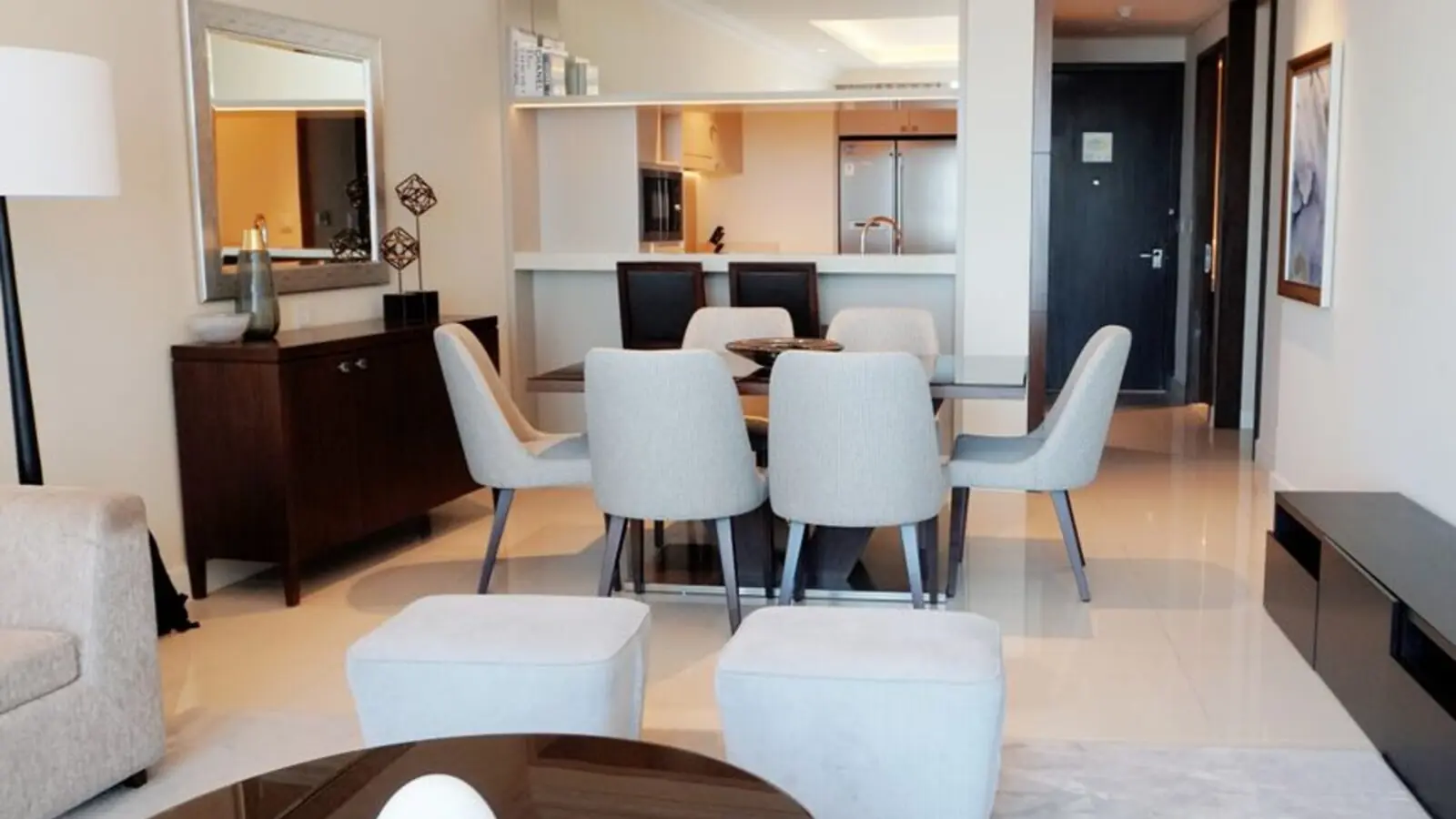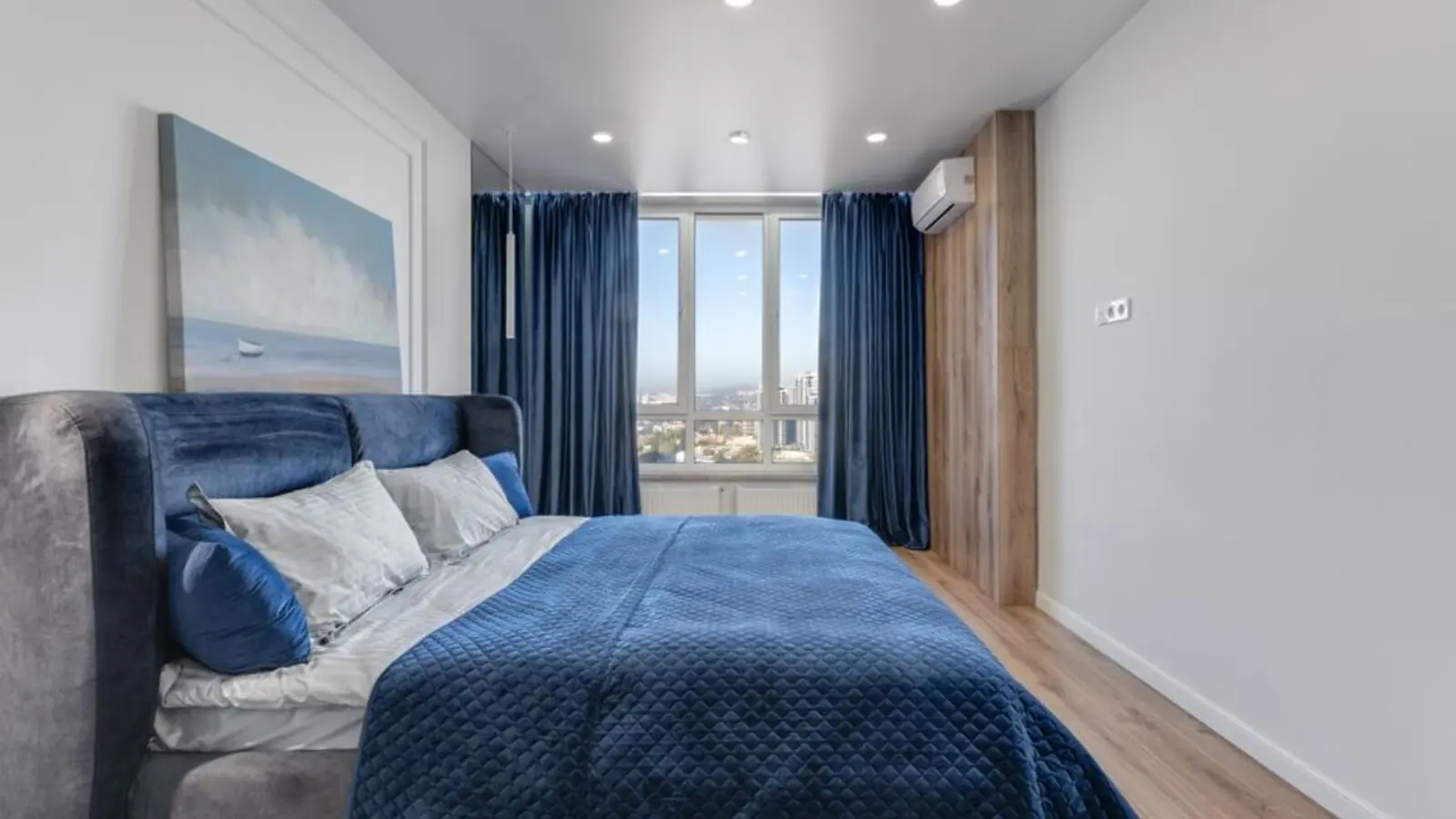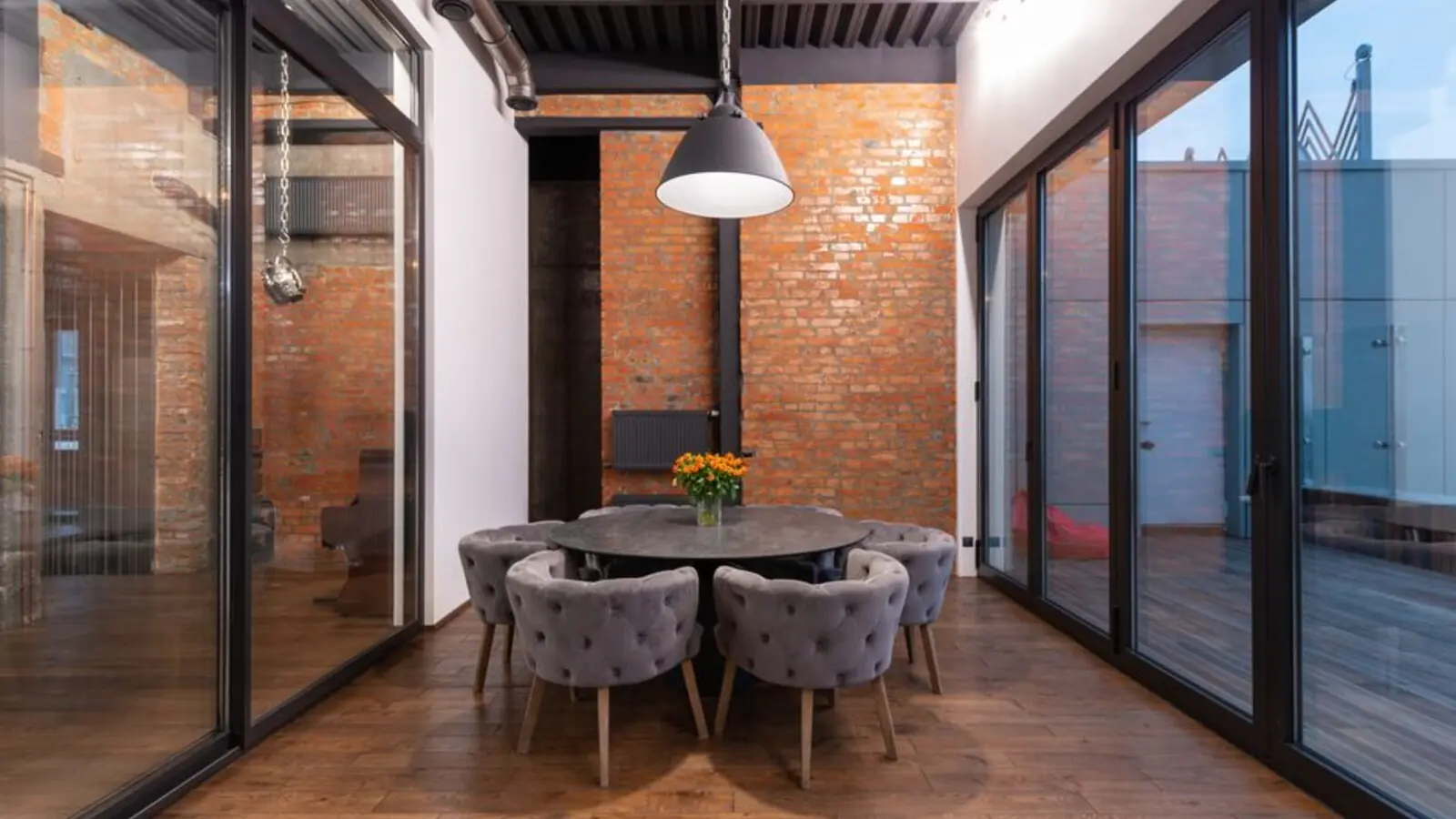
Where forest canopies meet skyline towers, on Pokhran Road and Kolshet.
Get DetailsOnce seen as a quiet suburb tucked behind Mumbai's eastern edge, Thane has long since outgrown that description. Today it stands as one of the most sought-after residential markets within the Mumbai Metropolitan Region, a city with its own lakes, hills and identity, yet bound to Mumbai by a network of highways, rail lines and — soon — a tunnel that will make the two feel like neighbours rather than distant cousins. Thane, a bustling city within the Mumbai Metropolitan Region, stands out as one of the prominent residential areas, connected to a network of key roads including the Eastern Express Highway, Ghodbunder Road, Mumbra Bypass Road, and Thane Road, and served by Thane Railway Station on the Central and Trans-Harbour lines.
What distinguishes Thane's current growth story from earlier cycles is the nature of its buyers. The Thane real estate market has matured into a dependable residential zone rather than a spillover extension of Mumbai, with demand coming largely from end users rather than short-term investors, which keeps pricing stable and practical. This end-user orientation has drawn established Mumbai developers, including Oberoi Realty, to plant their flag firmly in the city — a sign of confidence in Thane's long-term trajectory rather than a bet on short-term speculation.
Infrastructure has been the quiet engine behind this shift. Pharmaceutical and textile industries are located in Kolshet and Wagle industrial hubs, while Manpada and Kapurbawadi have emerged as prominent office hubs, and Thane benefits from its proximity to corporate hubs like Vikhroli and Powai, situated at about 20 km. Meanwhile, the pace of price appreciation, though it moves in cycles, tells its own story: Patlipada, Pokhran 2, Pokharan Road, Louis Wadi, and Ghodbunder Road have witnessed substantial appreciation up to 35 percent in the last five years.
It is against this backdrop that Oberoi Realty chose to expand beyond its Mumbai stronghold. Two projects — Garden City Thane on Pokhran Road No. 2 and Forestville on Kolshet Road — mark the developer's first major residential footprint outside the island city, bringing its signature scale, design language and amenity-led living to a market that has been waiting for exactly this kind of address.

Price points across Thane vary considerably depending on proximity to the central business districts, lakes and hills, and upcoming metro corridors. Broadly, the city splits into three tiers — affordable outer pockets, mid-segment growth corridors, and premium central and northern belts where projects such as Oberoi's are positioned.
Thane's neighbourhoods each carry a distinct character — from lake-facing hillside pockets to industrial belts turning residential. Here are the corridors that matter most to homebuyers today.
Home to Oberoi Garden City Thane, this stretch links Cadbury Junction to Upvan Lake and offers premium pricing with proximity to Yeoor Hills.
Site of Oberoi Forestville, this is described as an emerging hotspot offering larger carpet areas at competitive rates compared to the city center, with rental yields reaching 5-6%.
A long, well-travelled corridor from Hiranandani Estate to Gaimukh that benefits from upcoming metro stations and new flyovers, keeping demand consistently high.
A self-contained township known for neoclassical architecture and premium pricing, among the costliest micro-markets in Thane.
Referred to as the connectivity heart of Thane, favoured by investors seeking high rental yields due to its central positioning.
A premium pocket along Ghodbunder Road expected to benefit most from upcoming metro stations, driving continued price appreciation.
A mid-segment residential belt close to Kolshet, offering relatively accessible entry prices with strong redevelopment activity.
Thane's transformation is being written into its roads and rail lines as much as its skyline. Work on Metro Line 4 connecting Wadala to Kasarvadavali and Metro Line 5 linking Thane to Bhiwandi and Kalyan is in its final stages, and once operational is expected to cut travel time by 50 to 75 percent while easing traffic congestion across the city. Historical patterns from other metro corridors suggest property values near stations tend to rise meaningfully within a couple of kilometres of a new line — a trend already visible along Ghodbunder Road. The most transformative project on the horizon, however, is the proposed Thane-Borivali tunnel. This ₹18,000 crore project is perhaps the biggest game-changer — currently it takes 90 minutes to travel from Thane to Borivali, but the tunnel will reduce the journey to just 15 minutes. Beyond this, plans include a Circular Metrolite Line to improve last-mile connectivity, a flyover in Wagle Estate, and a coastal road between Khergaon and Gaimukh, all set to ease traffic congestion and shorten travel time in the region. Add to this the redevelopment of Thane Railway Station itself, and it becomes clear why long-term investors continue to treat Thane as one of the MMR's most infrastructure-rich growth corridors.
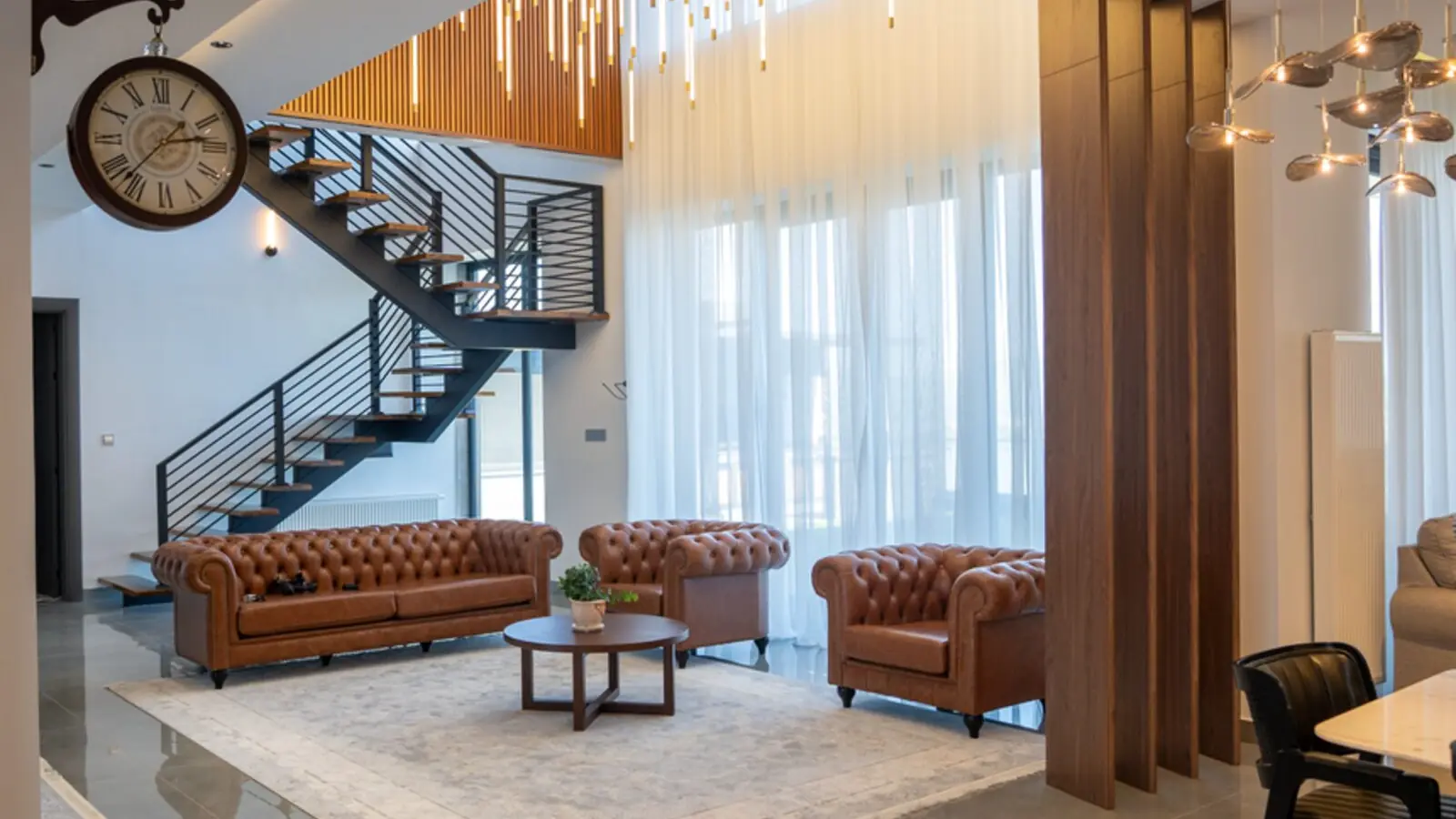
Bandra East, Mumbai
To be announced • Pricing on request
11-acre railway land, ₹5,400 Cr bid, next to BKC
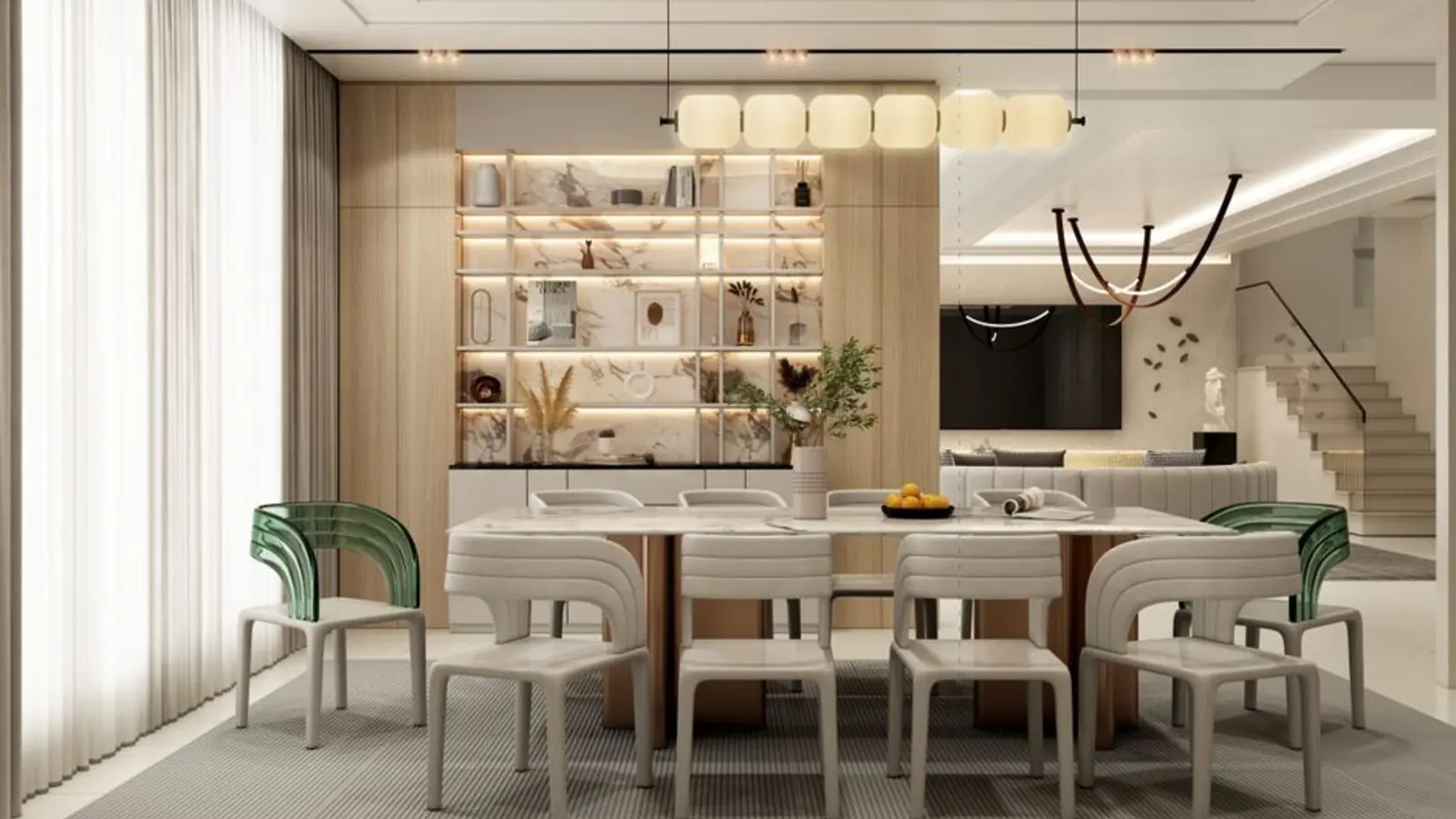
Bandra East, Mumbai
TBA • Price on Request
11-acre railway land parcel beside Western Express Highway
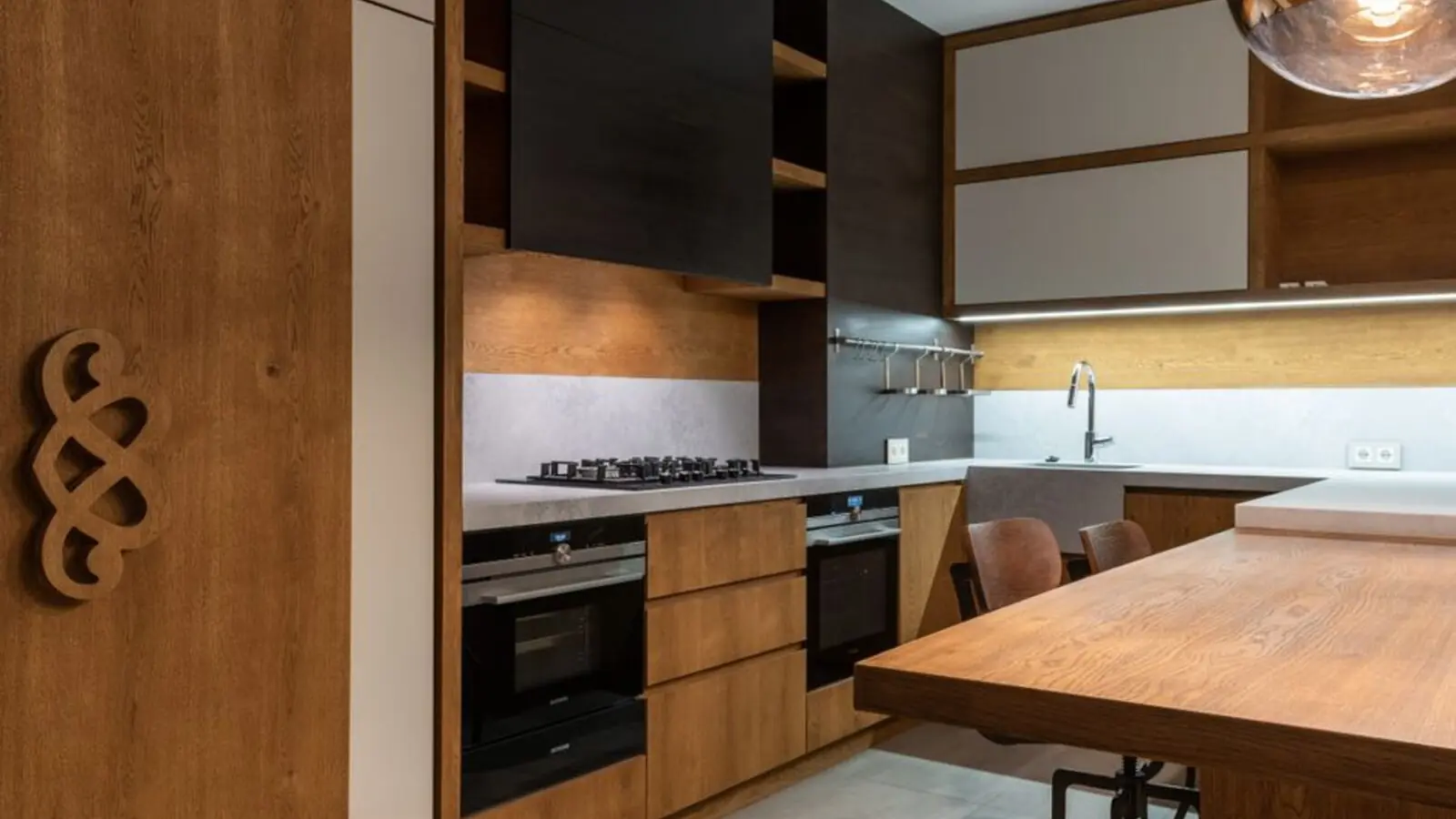
Juhu, Mumbai
To Be Announced • Price on Request
1.85-acre sea-facing redevelopment
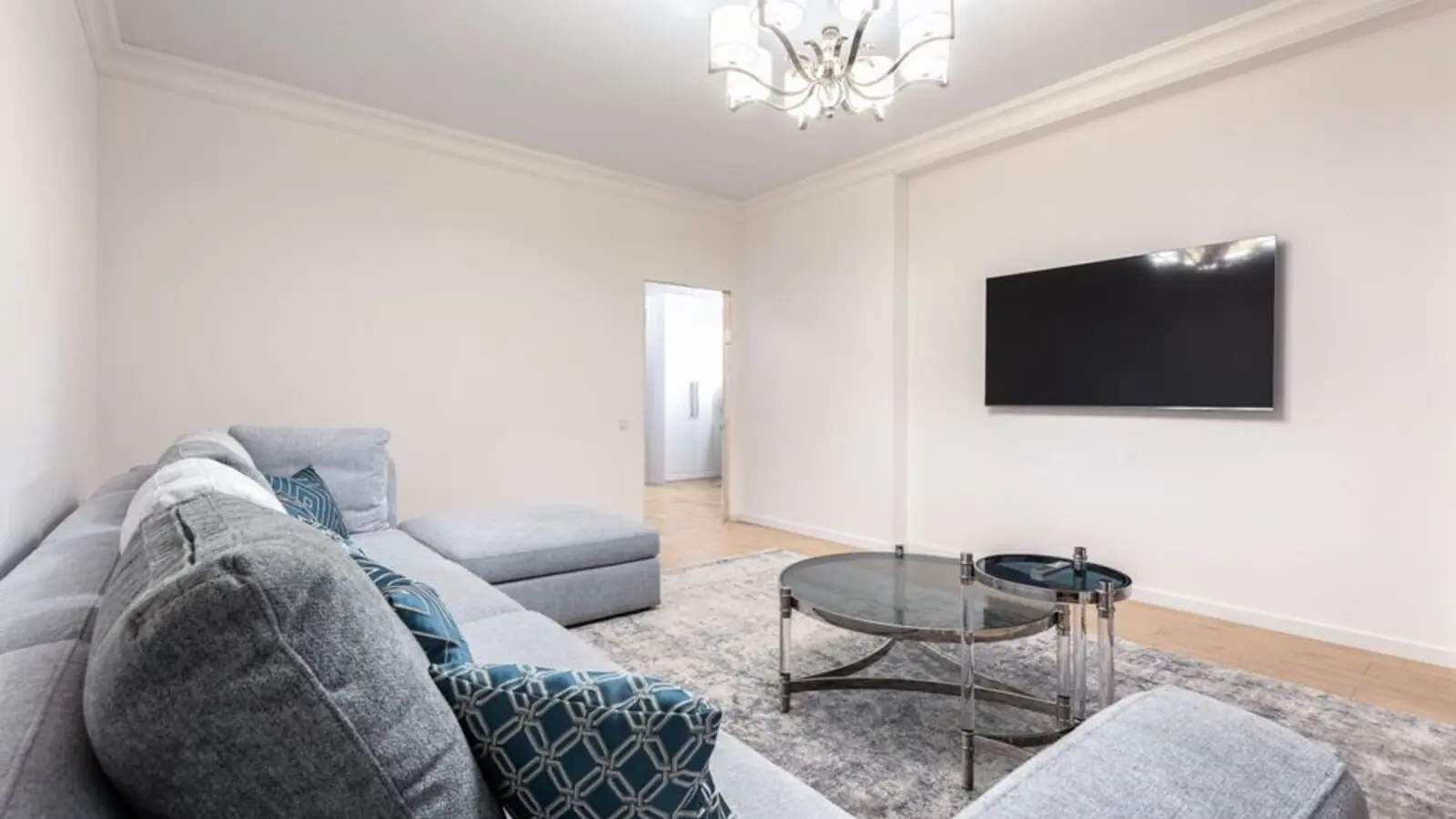
Versova, Andheri West, Mumbai
To be announced • Price on Request
17.18 lakh sq ft MHADA redevelopment
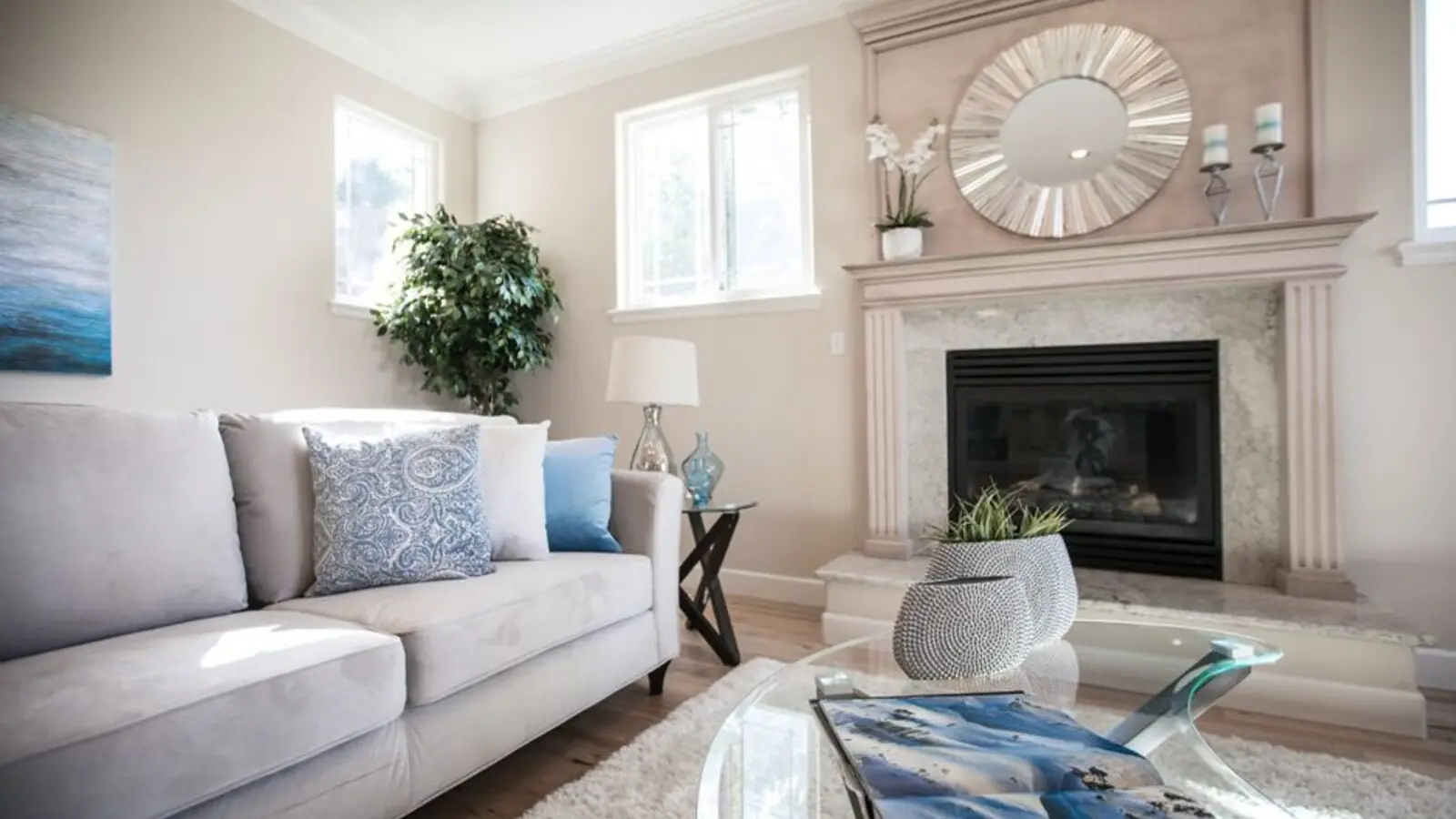
Malabar Hill, Mumbai
3, 4 BHK • Price on request
Cluster redevelopment on Mumbai's most prestigious hill
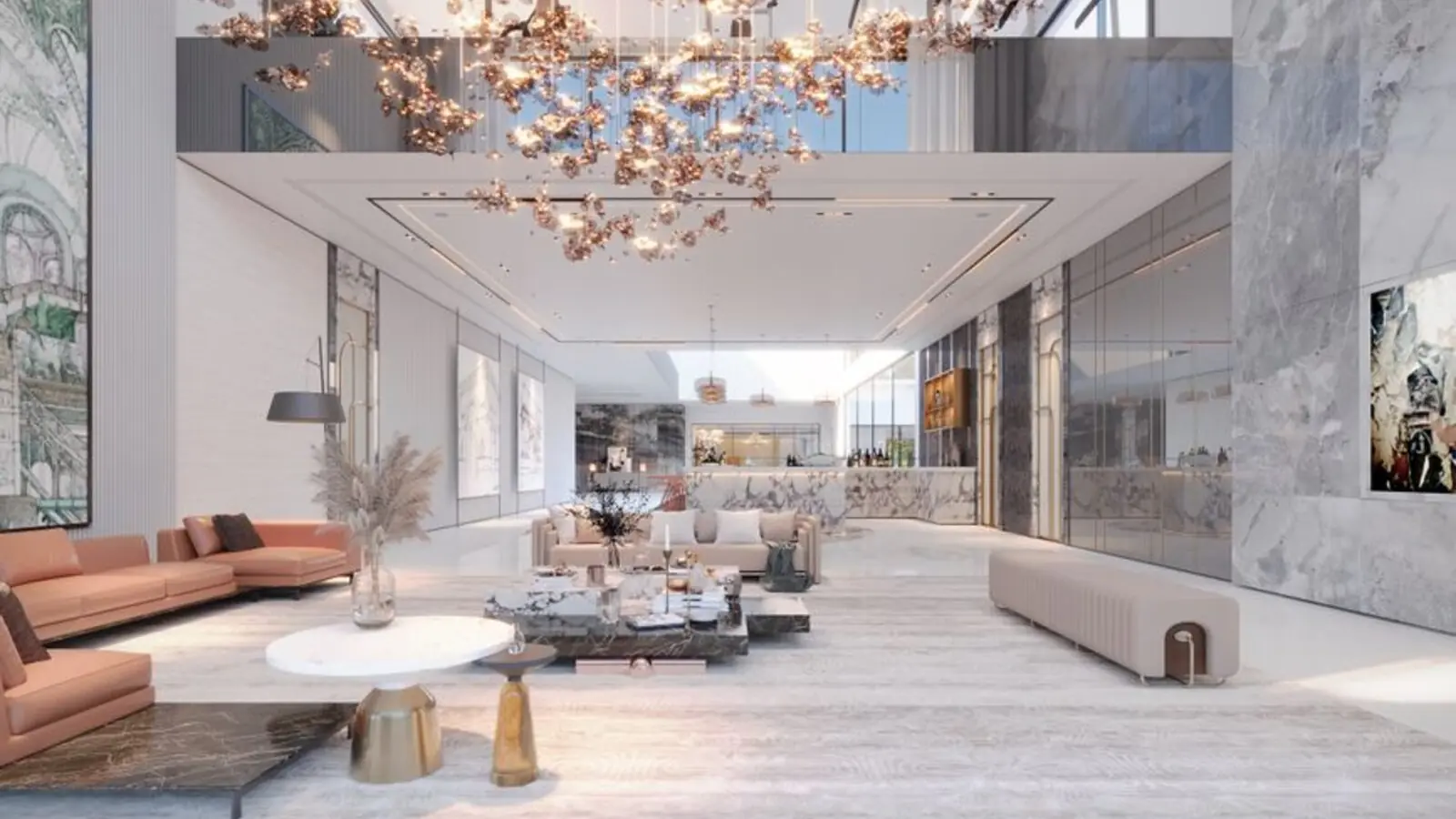
Worli, Mumbai
Ultra-luxury residences • Price on request
India's first Aman-branded residences
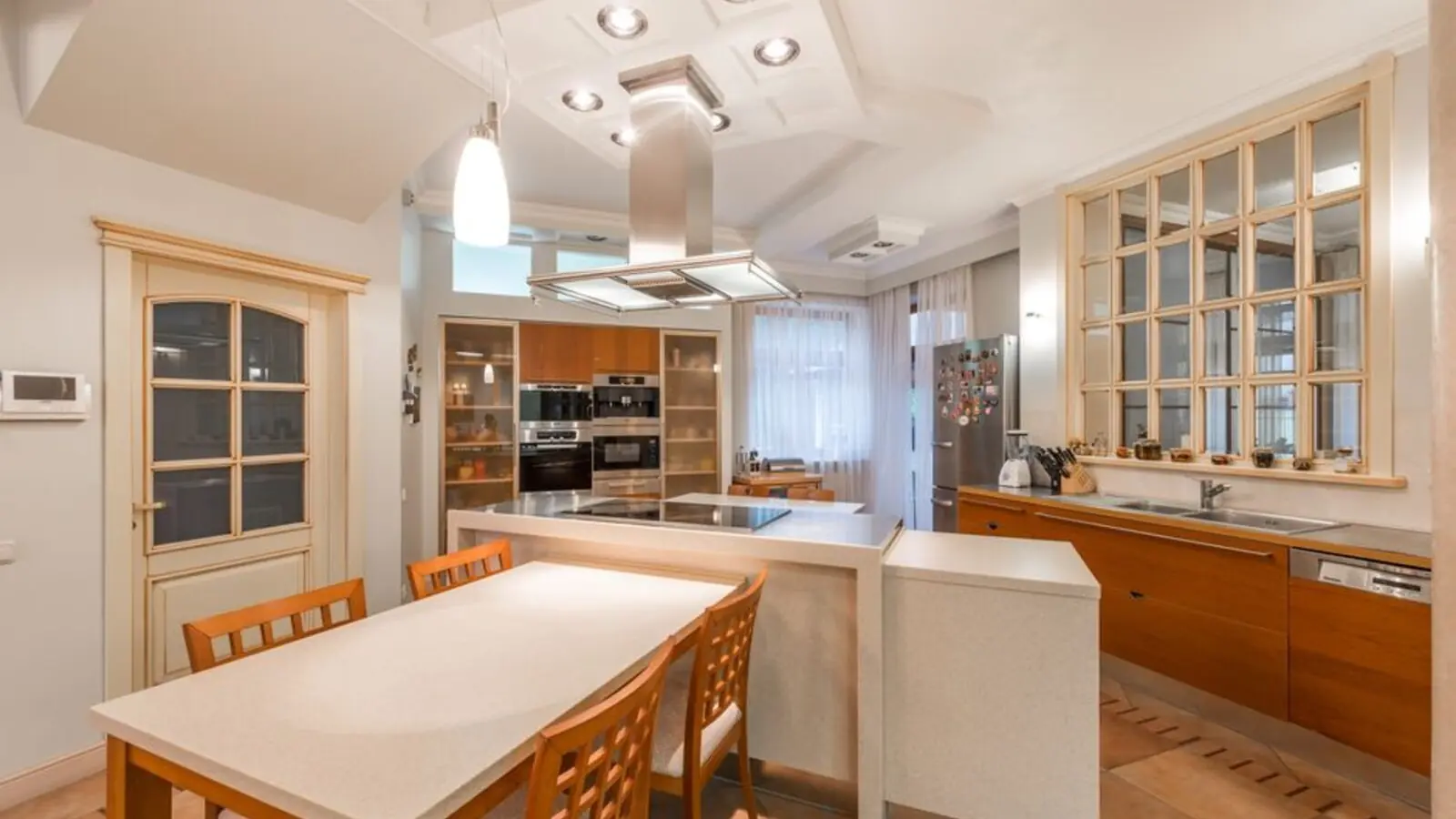
Karjat, Mumbai
Residential Plots • Price on Request
Gated hillside plots in the Sahyadri foothills
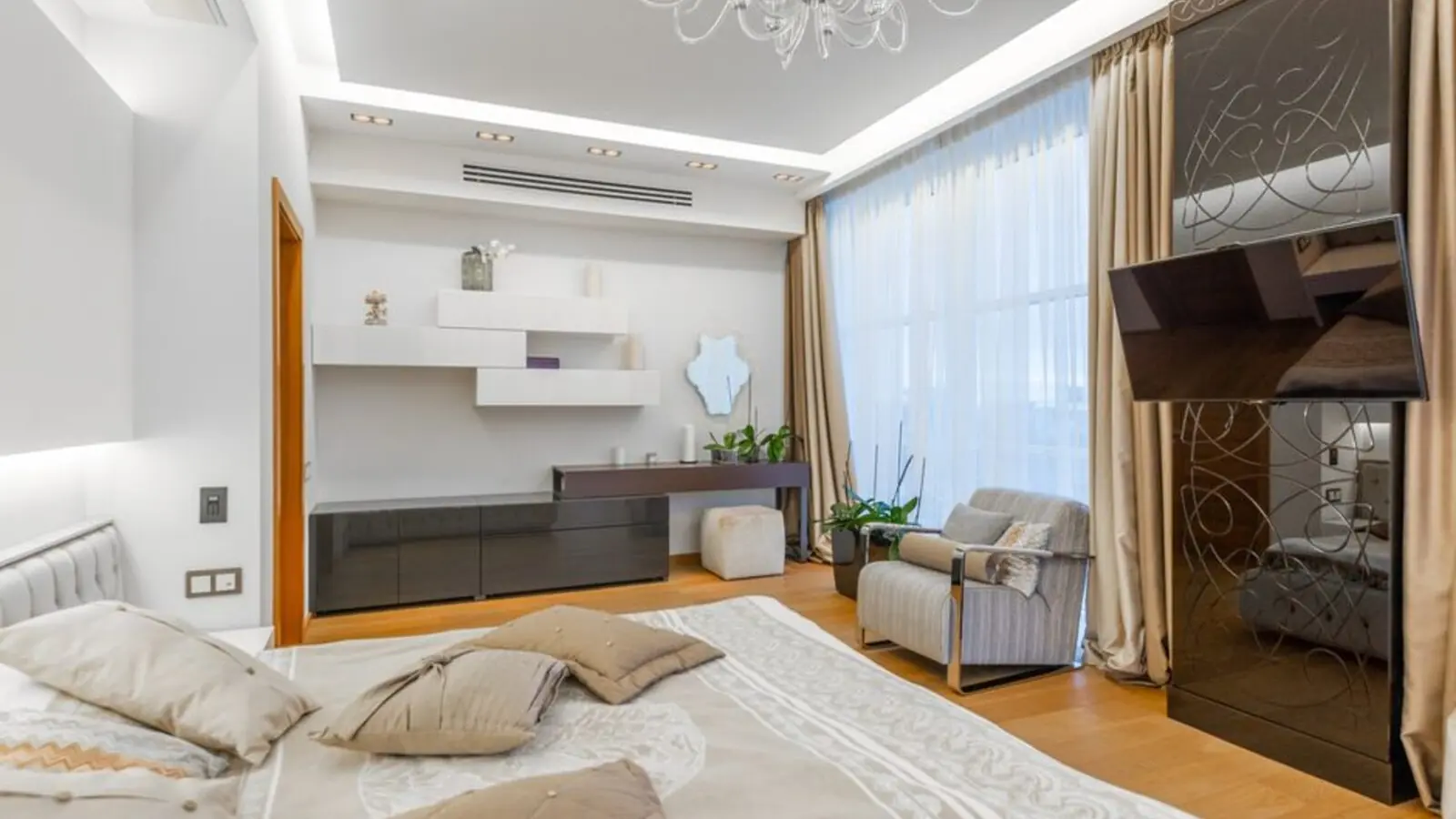
Worli, Mumbai
3, 4 BHK • Price on Request
MHADA redevelopment on Worli Seaface
Fill in your details and our team will get back to you shortly with pricing, availability, and more.
The information here is shared in good faith for guidance alone and forms no part of any agreement. All figures, layouts, and images are subject to revision. Please confirm every detail with an authorised representative before proceeding. About · Projects
Share your details and our expert will call you back.