A 23-km metro corridor is redrawing Pune's western property map, one station at a time.
Get DetailsPublished
For years, the story of Hinjewadi was written in traffic reports rather than property brochures — a commute that could stretch anywhere from sixty to ninety minutes on a bad morning, connecting India's largest IT employment cluster to the rest of Pune only by road. That story has now changed. Metro Line 3 connects Hinjewadi at the western end to District Court Pune at the eastern end, running through Wakad, Bhosari, Balewadi, Shivajinagar, and Deccan, and as of August 2026 is fully operational end-to-end. The corridor was built by a Tata-Siemens joint venture under PMRDA, at a cost of roughly Rs 8,100 crore, and it stands as more than an infrastructure milestone — it is, quite literally, redrawing which neighbourhoods homebuyers now consider part of "central" Pune.
The journey to this point was a long one. The Pune Metropolitan Region Development Authority opened the line in phases, starting with services from the Hinjewadi side, with 12 of the 23 stations operational in the first phase following successful trial runs. The project, widely known as the 'Puneri Metro', is India's first metro network developed under a public-private partnership model, executed by Pune IT City Metro Rail Limited, a joint venture between the Tata Group and Siemens. The corridor's full 23.3-km stretch now links Megapolis Circle in Hinjewadi's IT park area to Civil Court in Shivajinagar, passing through high-demand residential and commercial zones like Wakad, Balewadi, Baner, Aundh, and Deccan Gymkhana.
The real estate response has been swift and measurable. According to Credai Pune, since 2021, premium home sales in key areas like Hinjewadi, Wakad, Baner, Balewadi, Tathawade, and Aundh have witnessed extraordinary growth of over 300%. More broadly, property prices in Pune have appreciated by an estimated 25-30% per square foot, largely driven by the ongoing infrastructure boom, preference for larger homes, and sustained buyer interest. Proximity to a station has emerged as the single biggest price lever in the market: experts from Credai highlight that proximity to a Metro station is now a key determinant in property valuation, with homes located within 500 metres of a station seeing annual price appreciation of 10-25%.
Break that trend down locality by locality and the picture sharpens further. Baner, already a developed locality, is expected to see 15-20% appreciation over the next two years, with current prices ranging between Rs 7,000-9,500 per square foot. Hinjewadi apartments themselves have seen an average 20% price increase, driven primarily by IT professionals seeking transit-oriented homes, while premium projects tagged 'walk-to-metro' command a 10-15% premium over comparable properties farther from stations. Neighbouring Wakad has been an equally strong performer — the average flat price in Wakad in 2026 is approximately Rs 9,500-10,500 per sq ft, with year-on-year appreciation of roughly 9%, supported by 1,330 transactions totalling Rs 1,193 crore in the April 2025-March 2026 financial year.
The underlying demand driver is simple: Hinjewadi's IT park is enormous, and the metro has finally made living near it — or commuting into it — a genuinely time-efficient choice. Rajiv Gandhi Infotech Park hosts Infosys, Wipro, TCS, Cognizant and dozens of mid-tier and product companies across four phases that collectively employ over 200,000 professionals, feeding both purchase and rental markets. That captive workforce is now recalibrating where it wants to live, because the effective commute from areas like Kothrud or Shivajinagar to Hinjewadi has dropped from 60-90 minutes by road to roughly 35-40 minutes by metro. Rental markets have felt this first and fastest: 2 BHK apartments in Hinjewadi Phase 3 now command Rs 22,000 to Rs 28,000 per month, reflecting chronic undersupply of quality rental inventory near the city's largest employment cluster, with rents rising roughly 7 to 9% in early 2025 and a similar trajectory expected through 2026.
Developers and analysts alike see this as a structural shift rather than a short-term bump. As one industry observer put it, demand for flats near the Hinjewadi-Shivajinagar line has visibly intensified — particularly for gated societies and homes that combine connectivity with lifestyle amenities — with buyers increasingly filtering by metro proximity first, price second. That behavioural shift is already changing how new launches are positioned: that shift in buyer priority is itself reshaping how a new project in Pune gets positioned and priced at launch. Meanwhile, city-wide momentum remains strong, with Pune recording a sharp 11.8% annual price rise, the highest in the last five years, driven by genuine end-user demand rather than speculation.
For homebuyers evaluating the Hinjewadi-Shivajinagar belt today, the calculus has changed from "will the metro happen?" to "how close do I need to be?" Analysts note that properties within 500 metres to one kilometre of key stations like Hinjewadi, Wakad Chowk, Balewadi High Street, and Baner are seeing the most pronounced appreciation, and once trains run and commute times visibly drop, prices adjust quickly. It is against this backdrop — a corridor now live, a workforce recalibrating its address, and a market rewarding early, well-located entries — that Oberoi's approach to Pune focuses on homes positioned for exactly this kind of long-term connectivity dividend, built for buyers who want both a smart commute and a comfortable, well-appointed address to come home to.
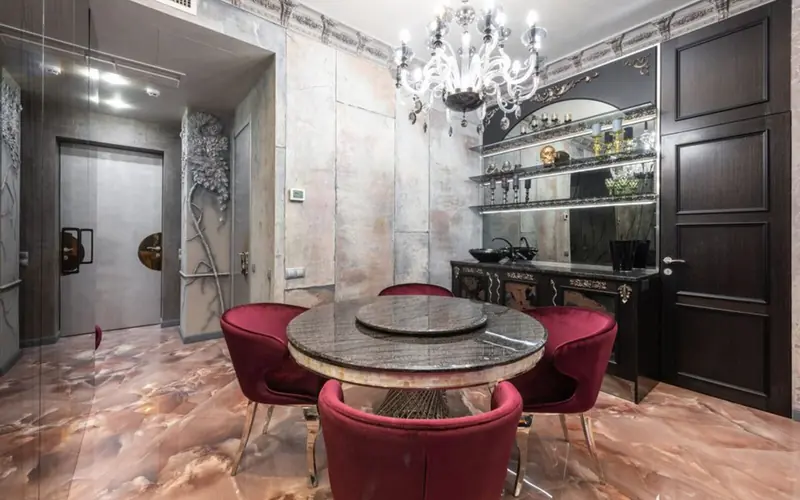
Peddar Road, Mumbai
3, 4 BHK • Price on request
Redevelopment on Peddar Road
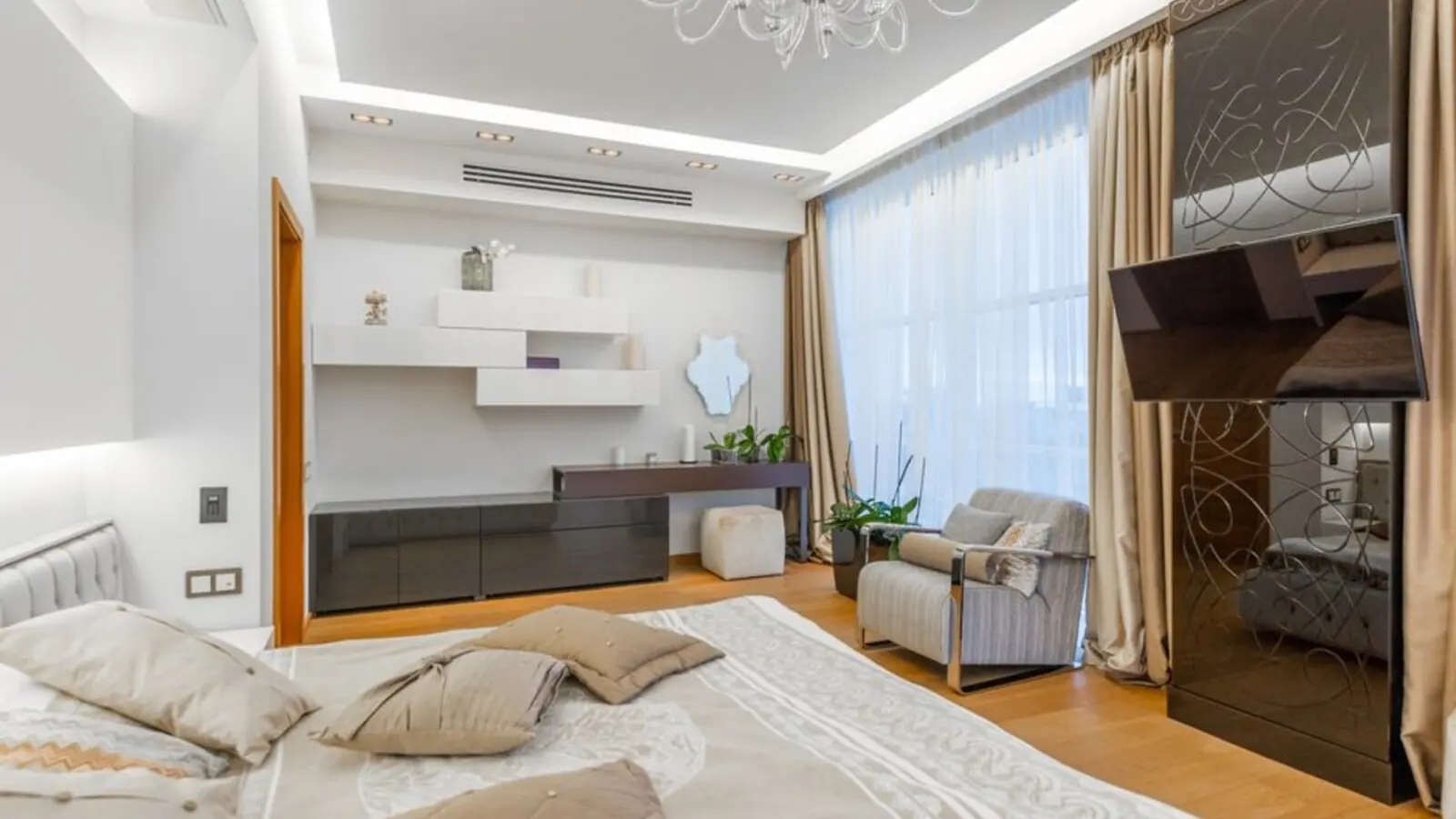
Worli, Mumbai
Residential redevelopment • Price on request
12,790 sq m redevelopment
Tekali, Alibaug
Branded villas • Price on request
81-acre fully serviced villa community
Peddar Road, Mumbai
3, 4 BHK • Price on request
Single-tower residences on South Mumbai's Peddar Road
Bandra West, Mumbai
3, 4, 5 BHK • Price on request
Upcoming residences near Bandstand
Bandra Reclamation, Mumbai
2, 3, 4 BHK • Price on Request
Sea Link-facing luxury on a 2.5-acre parcel
Thanisandra, Bangalore
Residential homes • Price on request
Upcoming North Bangalore address
Borivali, Mumbai
Residential and office towers • Price on request
65-floor SRA redevelopment beside Sky City
Fill in your details and our team will get back to you shortly with pricing, availability, and more.
Places in this story: Hinjewadi area guide · Chowk area guide · Aundh area guide
The information here is shared in good faith for guidance alone and forms no part of any agreement. All figures, layouts, and images are subject to revision. Please confirm every detail with an authorised representative before proceeding. About · Projects
Share your details and our expert will call you back.