Infrastructure shifts demand. Navi Mumbai is now the center.
Get Details<p>The Mumbai Metropolitan Region has entered a new era. Two transformational infrastructure projects—the operationalized Navi Mumbai International Airport (NMIA) and the completed Atal Setu sea bridge—have fundamentally reshaped how homebuyers think about location, commute, and long-term investment in the region. What was once considered a satellite city is now emerging as the real center of MMR real estate gravity.</p>
<p>The Navi Mumbai International Airport opened on December 25, 2025, handling commercial flights and expected to scale operations significantly through the year. The Mumbai Trans Harbour Link (Atal Setu), a 21.8-kilometer sea bridge connecting Sewri to Chirle, has reduced travel time from South Mumbai to Navi Mumbai to under 20 minutes. These aren't future promises anymore—they're operational realities changing behavior on the ground, and the numbers reflect it.</p>
<p>Navi Mumbai accounted for 34.5% of residential sales in MMR in Q1 2026, according to Economic Times. Navi Mumbai reduced 24% on the back of Atal Setu connectivity and NMIA-led demand. This inventory depletion signals robust absorption, not weakness. Prices reflect the shift: Property rates across Navi Mumbai have risen 15-25% in 2026 alone, with the sharpest appreciation concentrated in airport-adjacent zones.</p>
<p>The airports alone are expected to drive massive employment growth. The airport is expected to directly create around 4 lakh jobs, with ripple effects across logistics, hospitality, cargo, retail, and MRO (Maintenance, Repair, Overhaul) sectors. The airport alone is expected to generate 4 lakh direct jobs, with a multiplier effect creating 12-16 lakh indirect jobs in aviation, logistics, hospitality, and retail. For a real estate market, job creation means sustained housing demand—not one-time speculation.</p>
<p>The most visible impact is in specific micro-markets. Airport-influenced locations such as Ulwe, Panvel and Pushpak Nagar have particularly benefited from improved accessibility and future employment prospects. Ulwe, the closest residential node to NMIA, has seen property prices nearly double between 2021 and 2026, now trading at ₹14,500 to ₹16,600 per square foot. Panvel, positioned as the gateway city to the airport, ranges from ₹13,350 to ₹15,000 per square foot with 20-23% year-over-year growth.</p>
<p>What makes this cycle different from past infrastructure-driven rallies is the sheer scale of connectivity. It is sitting inside a much larger infrastructure ecosystem involving Atal Setu, metro expansion, highways, rail connectivity, planned commercial development and the wider Navi Mumbai–Panvel growth corridor. Featuring 11 stations, the approved Line 8 will connect CSM International Airport with Navi Mumbai International Airport, reinforcing the regional growth network and enhancing future mobility. This creates a virtuous cycle: connectivity attracts jobs, jobs attract residents, residents attract more infrastructure investment.</p>
<p>The buyer profile is shifting too. Professionals, families, HNIs, and NRIs evaluate homes based on commute convenience, surrounding infrastructure, gated community amenities, and spatial comfort inside the apartment. Hybrid work culture has influenced choices, leading demand towards homes that reduce travel stress and support WFH needs. For someone working in South Mumbai's financial districts, a Panvel home connected by a 20-minute sea-link is no longer a trade-off—it's a lifestyle upgrade with 30% more space at 40% of the price. The economics are simply compelling.</p>
Bandra East, Mumbai
To be announced • Pricing on request
11-acre railway land, ₹5,400 Cr bid, next to BKC
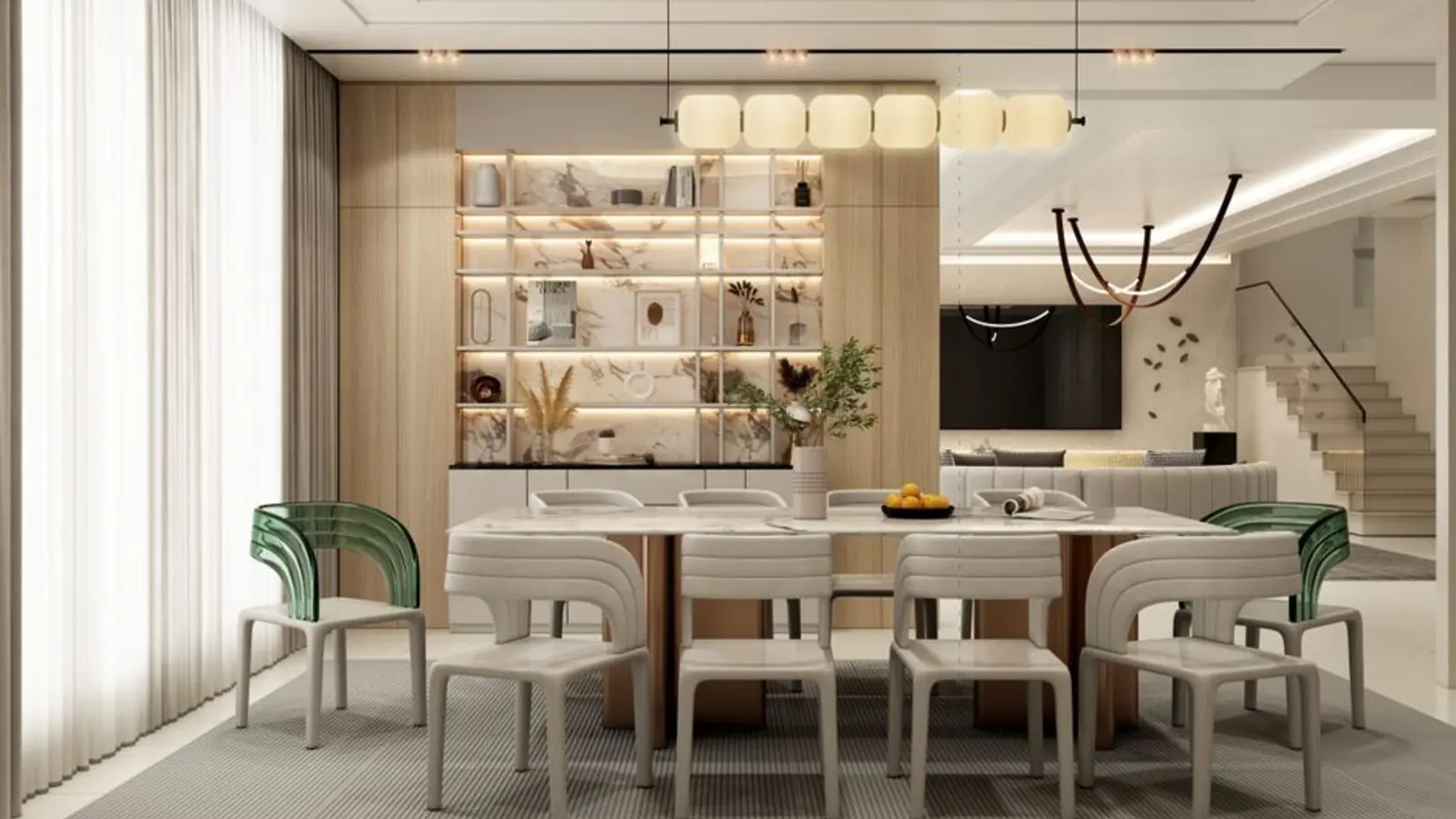
Bandra East, Mumbai
TBA • Price on Request
11-acre railway land parcel beside Western Express Highway
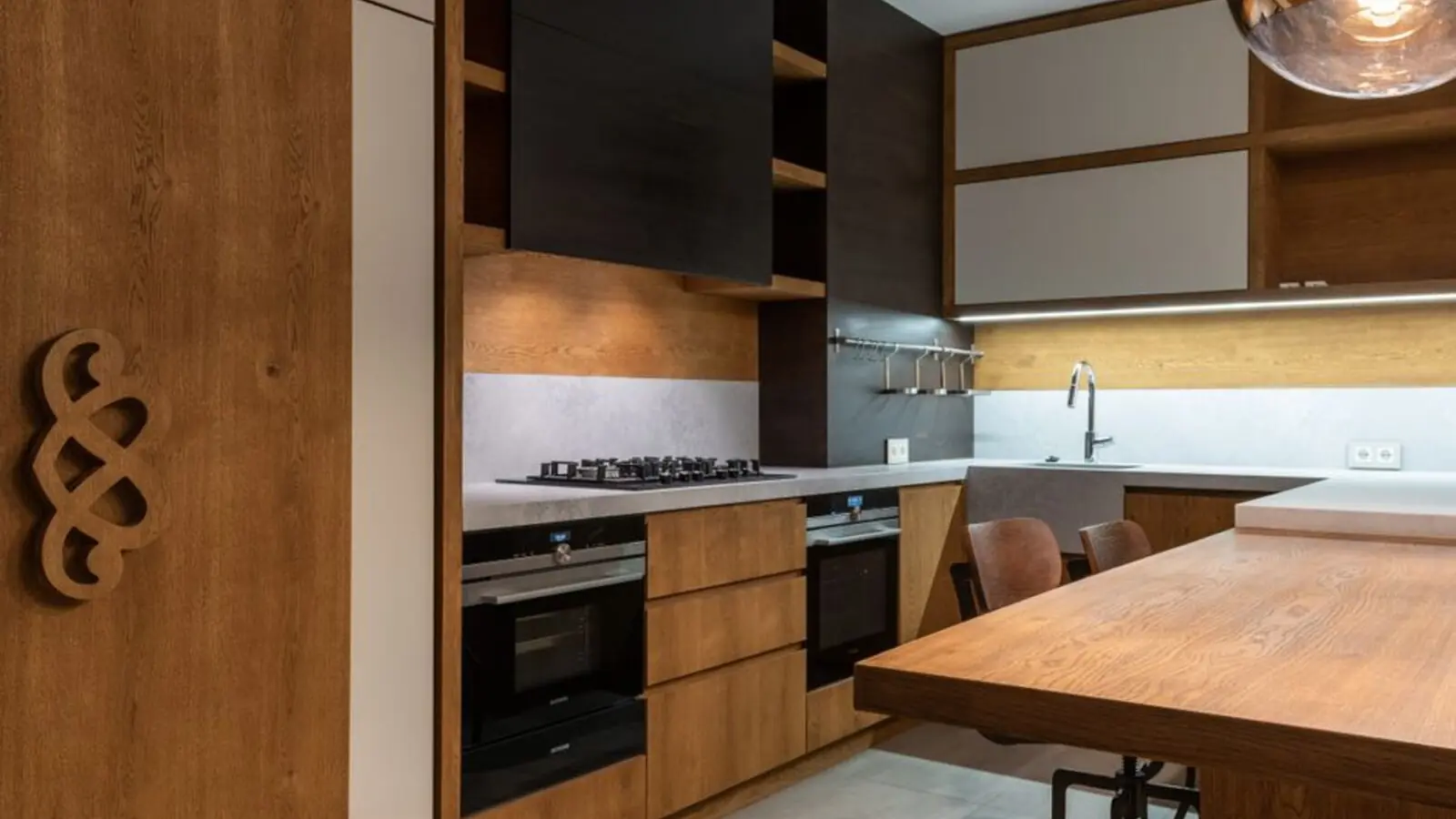
Juhu, Mumbai
To Be Announced • Price on Request
1.85-acre sea-facing redevelopment
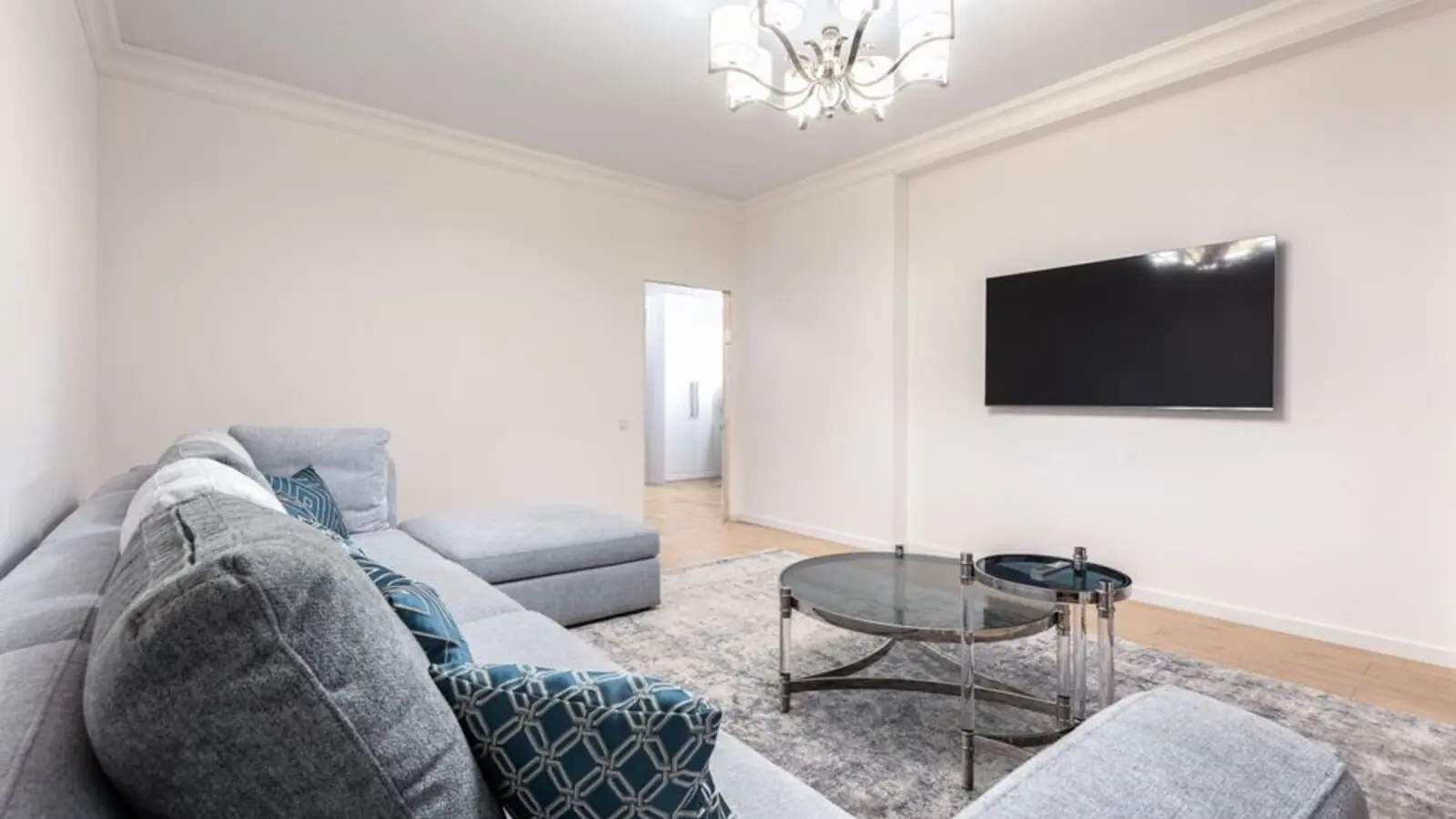
Versova, Andheri West, Mumbai
To be announced • Price on Request
17.18 lakh sq ft MHADA redevelopment
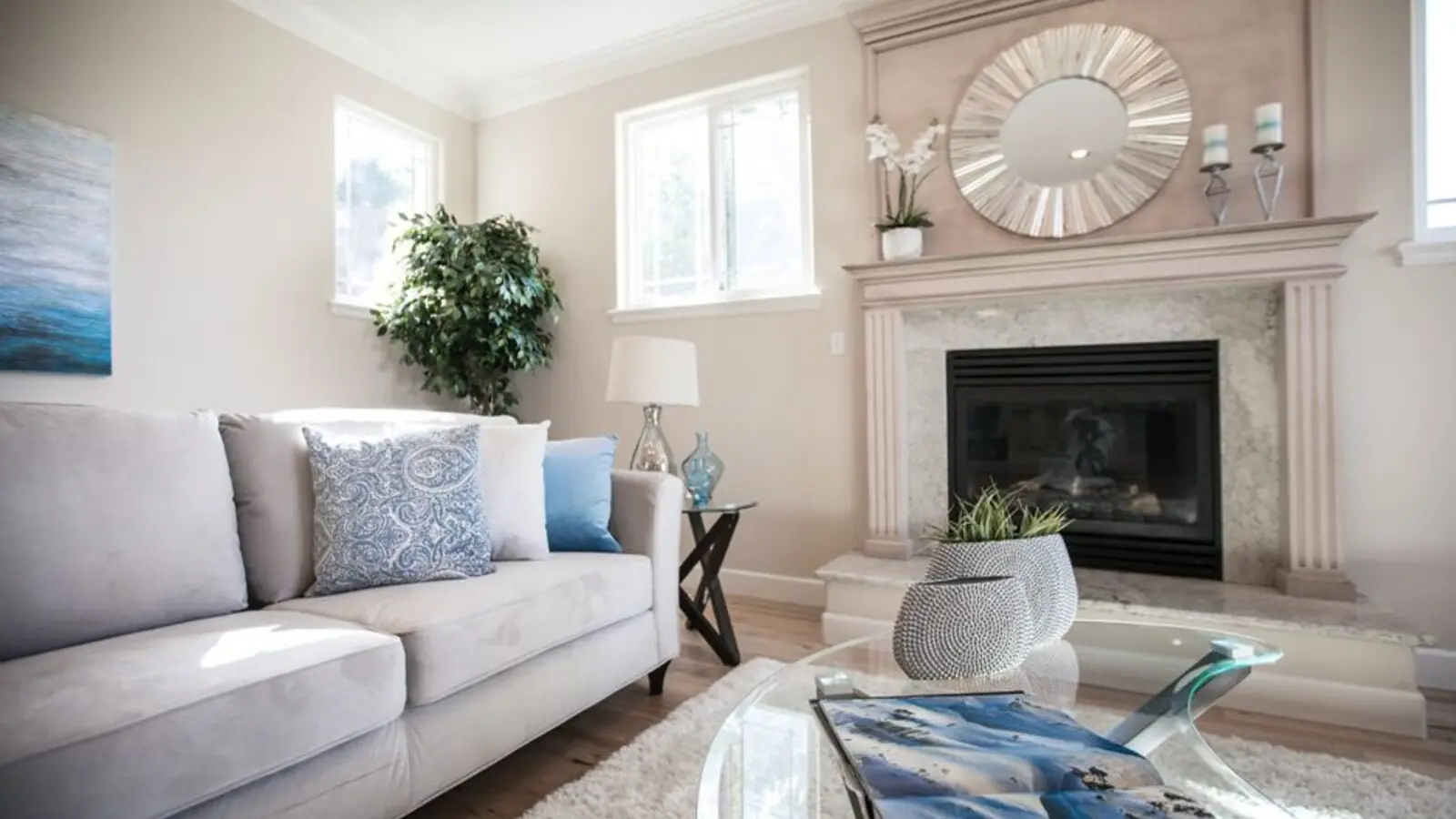
Malabar Hill, Mumbai
3, 4 BHK • Price on request
Cluster redevelopment on Mumbai's most prestigious hill
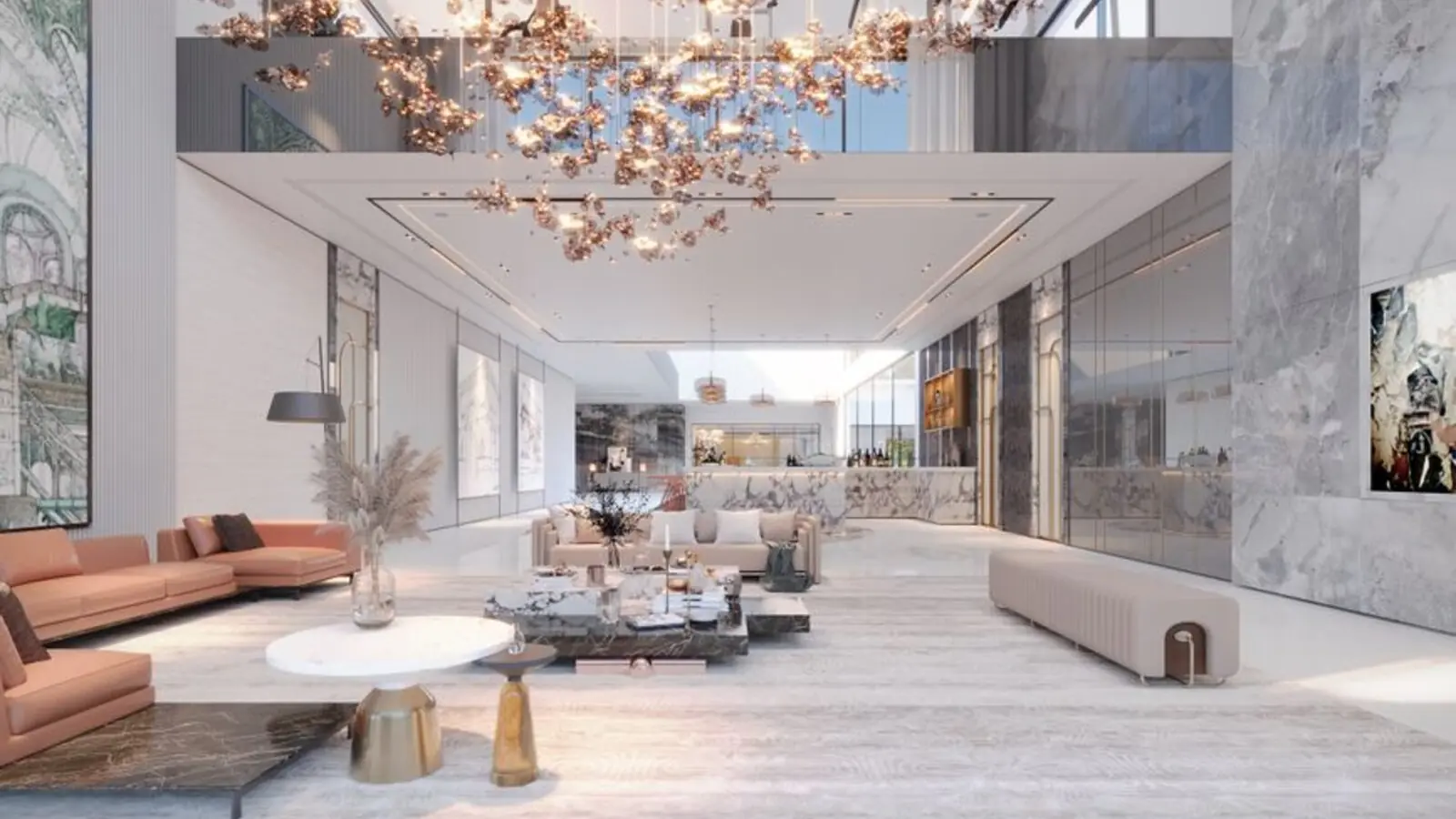
Worli, Mumbai
Ultra-luxury residences • Price on request
India's first Aman-branded residences
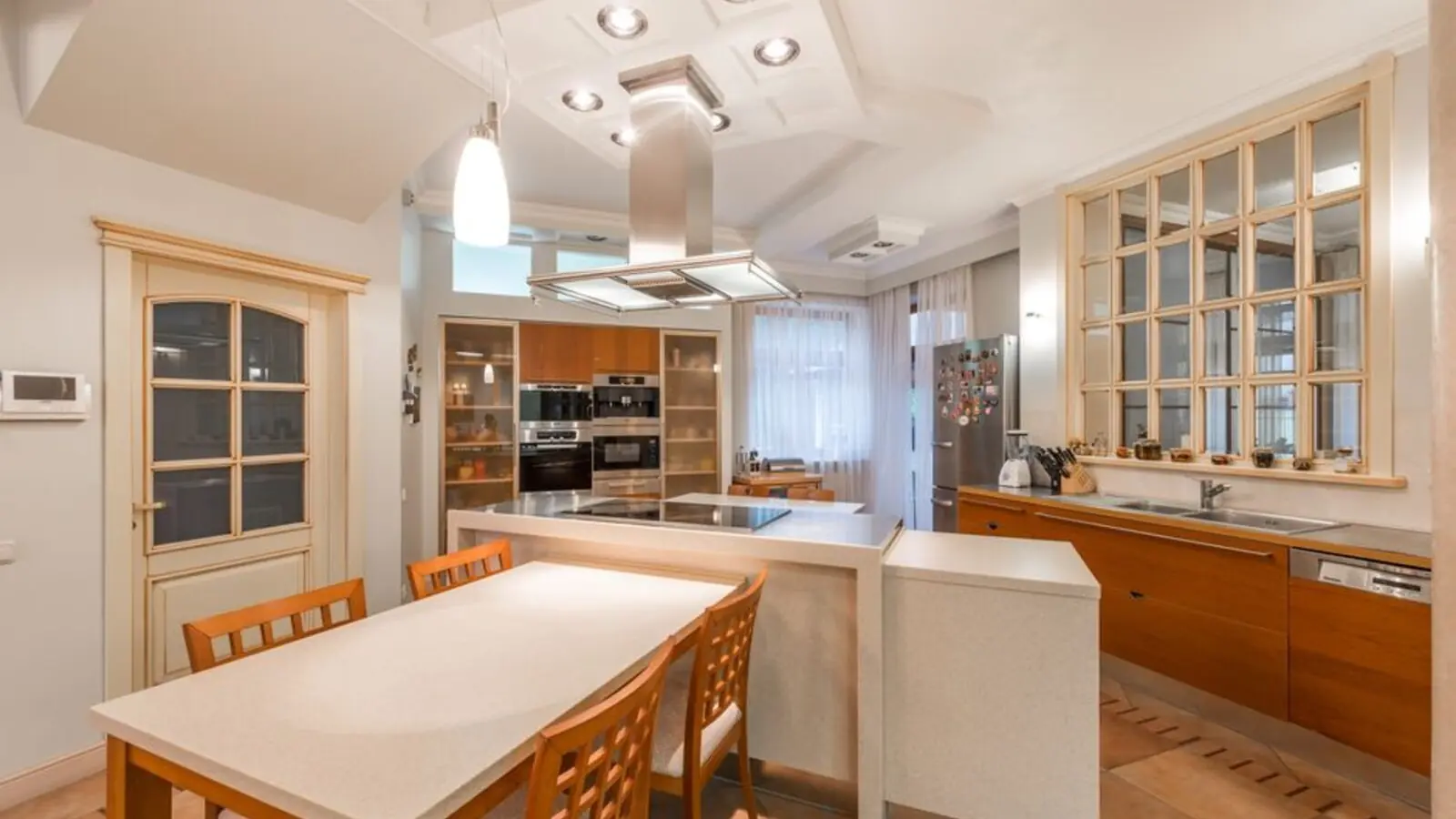
Karjat, Mumbai
Residential Plots • Price on Request
Gated hillside plots in the Sahyadri foothills
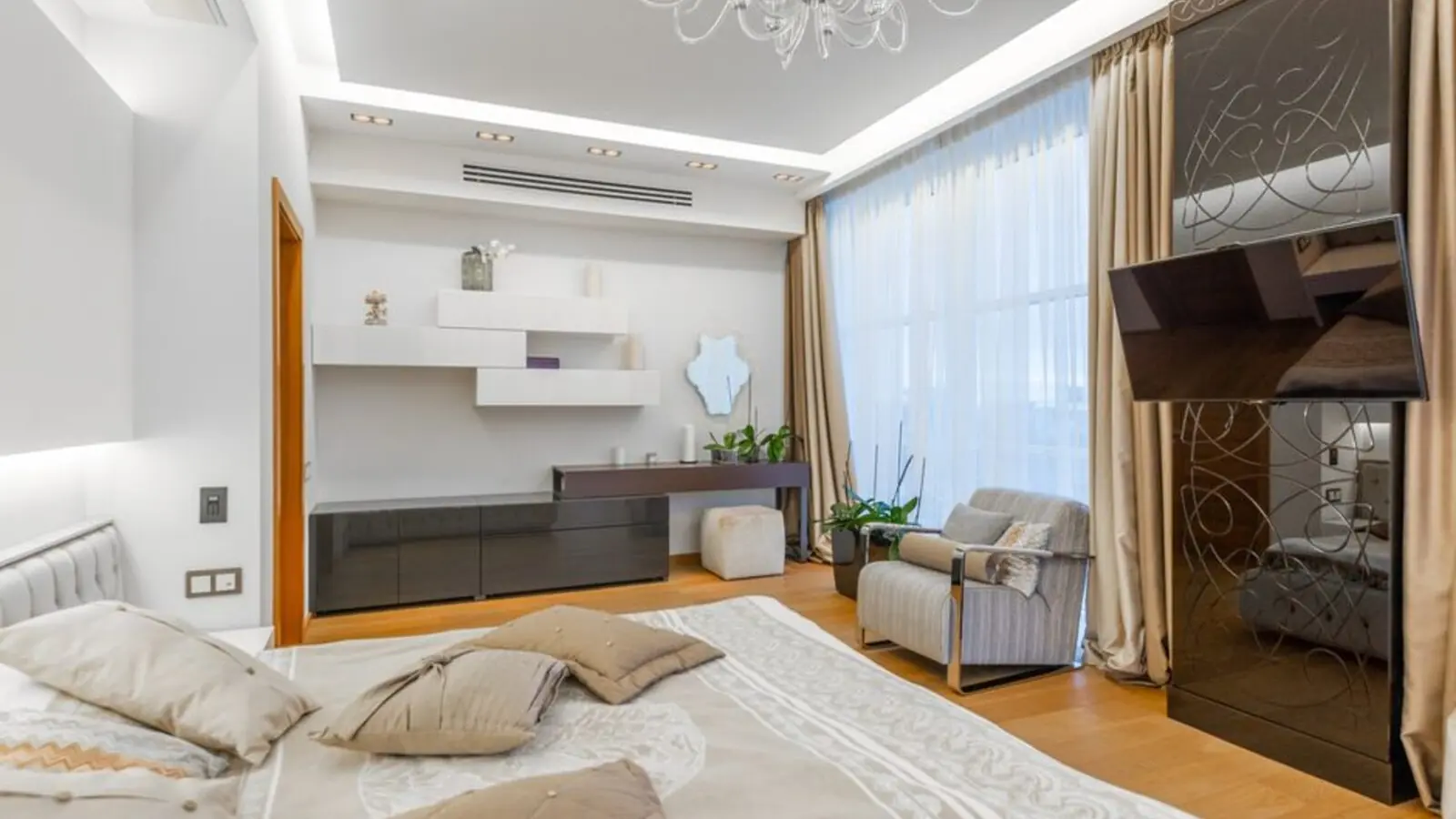
Worli, Mumbai
3, 4 BHK • Price on Request
MHADA redevelopment on Worli Seaface
Fill in your details and our team will get back to you shortly with pricing, availability, and more.
The information here is shared in good faith for guidance alone and forms no part of any agreement. All figures, layouts, and images are subject to revision. Please confirm every detail with an authorised representative before proceeding. About · Projects
Share your details and our expert will call you back.