Two mega infrastructure projects are turning Navi Mumbai's eastern shore into Mumbai's new frontier.
Get DetailsThere are moments in a city's life when geography itself seems to shift, when a place once considered distant suddenly finds itself at the centre of things. For Navi Mumbai's southern and eastern nodes, that moment has arrived in the form of two extraordinary pieces of infrastructure. The Mumbai Trans Harbour Link, also known as Atal Setu, is more than just a bridge, and since its inauguration on January 12, 2024, this 21.8-kilometer engineering marvel has slashed travel time between South Mumbai and Navi Mumbai from two hours to just 20 minutes. Layered on top of this connectivity leap is the long-awaited Navi Mumbai International Airport, and together the two have set off a chain reaction that homebuyers and investors across the region are watching with keen interest.
The most immediate and dramatic transformation has unfolded in Ulwe, the node that sits closest to both the airport and the bridge's approach roads. Ulwe is 10-15 minutes away from the airport by road, making it the closest major residential area to the CIDCO-developed airport in all of Navi Mumbai. This proximity has translated directly into capital values. Ulwe property rates have climbed from ₹12,300 per sq ft in 2021 to ₹14,500-₹16,600 in 2026. Even at these elevated levels, Ulwe retains a value proposition relative to its more established neighbours: the average Ulwe property rate across all sectors is approximately Rs 14,700 per sq ft, about 15-20% cheaper than Kharghar and 30-40% cheaper than Vashi.
The ripple effect extends well beyond Ulwe's borders. Panvel, long seen as an affordable satellite town, has emerged as one of the region's standout performers. Between fiscal years 2021 and 2025, apartment prices in the Panvel region climbed from affordable baselines to ₹10,000 to ₹12,000 per square foot, representing a 74% increase in capital value that significantly outperforms the broader Mumbai Metropolitan Region. The land market has moved even faster than the apartment market. Plot prices in the vicinity have surged by 93%, currently trading at ₹80,000 to ₹85,000 per square yard. Kharghar, with its established social infrastructure and planned townships, has not been left behind either; the node is experiencing a 20% increase in property prices, with new projects in high demand.
What makes this cycle different from earlier speculative waves is that the drivers are no longer promises on paper. The airport itself has moved from blueprint to reality, with commercial operations beginning in the final week of December 2025, and the bridge has been carrying traffic for well over two years. This shift from anticipation to actuality has changed how buyers evaluate the region. Analysts who track the corridor closely note that the benefit of connectivity is not spread evenly across every sector or every tower. The benefit is uneven, and the strongest demand is concentrated in sectors and projects where access is actually usable on a daily basis. In practical terms, this means that internal road quality, last-mile connectivity to railway stations, and the maturity of a project's immediate surroundings matter just as much as the headline distance to the airport or bridge.
Looking ahead, most market watchers expect the appreciation curve to continue, even if it moderates from the sharp gains of the past two years. The airport effect is ongoing and is expected to drive 8-12% annual appreciation over the next five to seven years. This is a meaningful shift in tone from pure speculation to a more grounded, fundamentals-driven growth story, anchored by real passenger traffic, real commuters using the Atal Setu daily, and a genuine deepening of physical and social infrastructure across the belt.
For a homebuyer weighing options today, the calculus has become more nuanced than simply picking a pin on the map close to the airport. The nodes that are converting interest into actual occupancy and rental demand are those where connectivity solves a real, daily problem, not just a future one. Ulwe, Panvel, and Kharghar each offer a distinct proposition, whether it is Ulwe's unmatched airport proximity, Panvel's rail and expressway connectivity, or Kharghar's established schools, hospitals, and green townships. What ties them together is the same underlying force: a bridge and an airport that have, in a few short years, redrawn what is considered close to Mumbai and what is not.
For those exploring this corridor, the takeaway is straightforward. The infrastructure story is real, the price movements are backed by genuine transactional data rather than mere sentiment, and the next phase of growth will likely reward buyers who look beyond headline numbers to the ground realities of roads, rail, and neighbourhood maturity within each micro-market.
Bandra East, Mumbai
To be announced • Pricing on request
11-acre railway land, ₹5,400 Cr bid, next to BKC
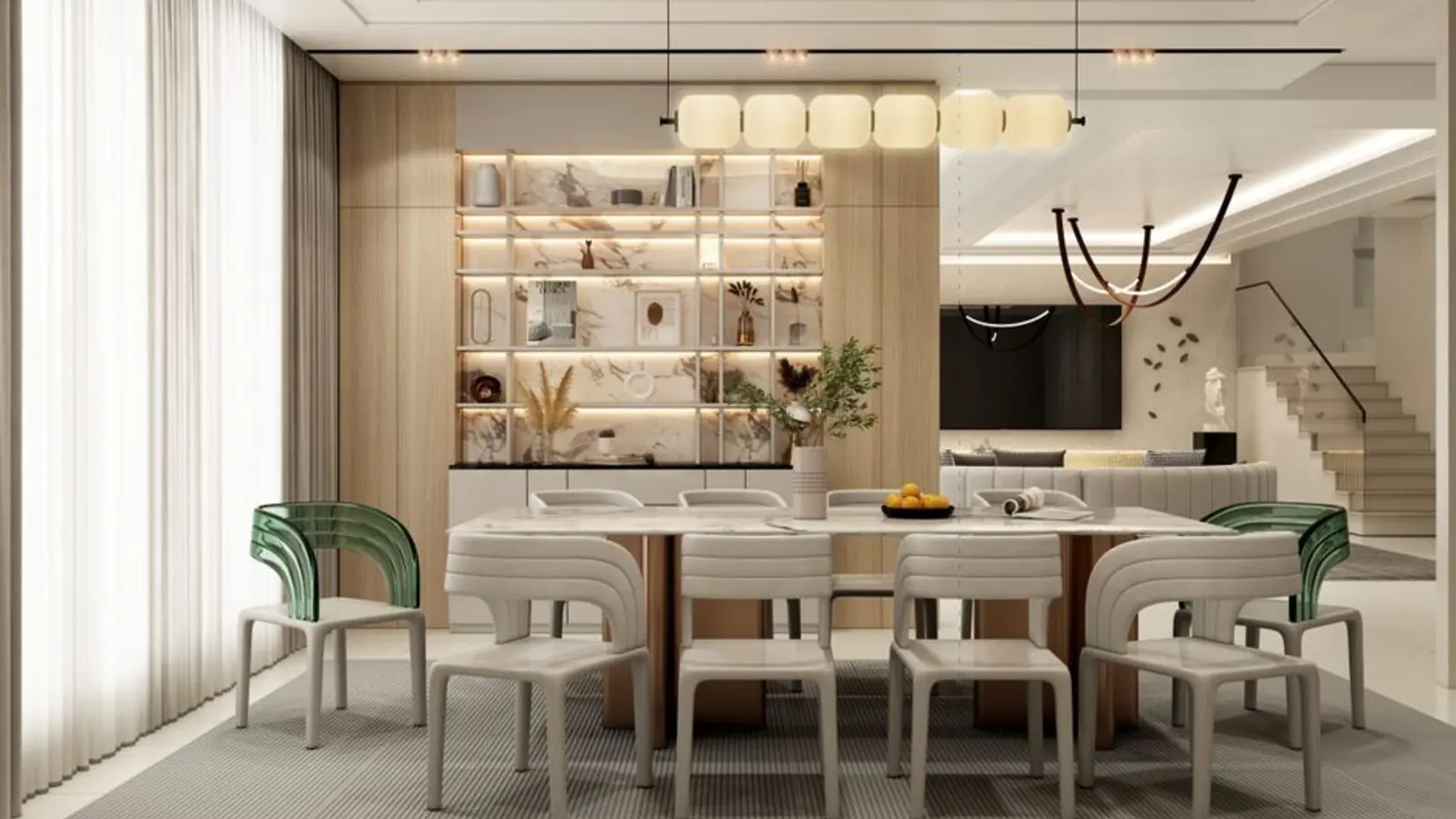
Bandra East, Mumbai
TBA • Price on Request
11-acre railway land parcel beside Western Express Highway
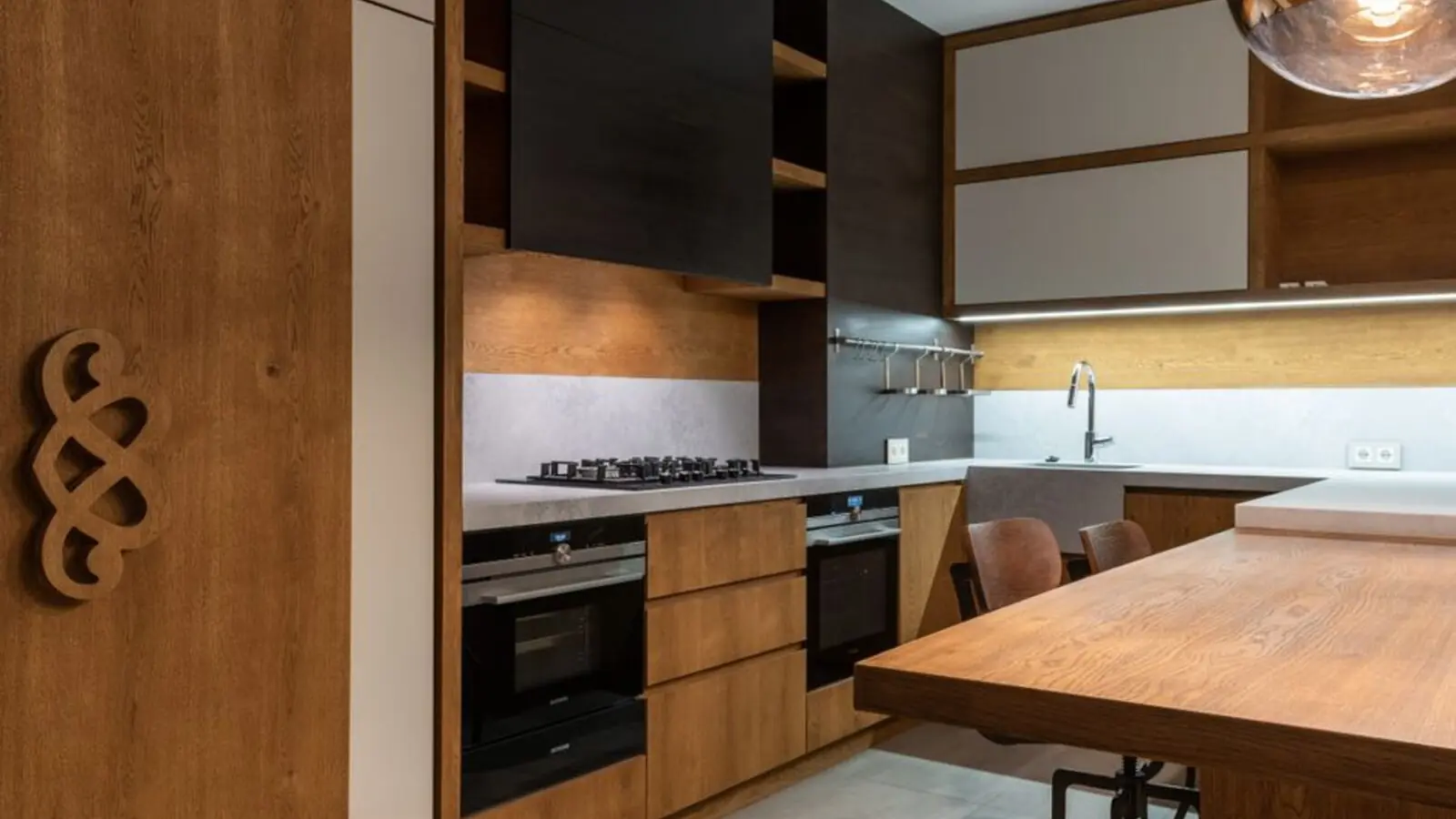
Juhu, Mumbai
To Be Announced • Price on Request
1.85-acre sea-facing redevelopment
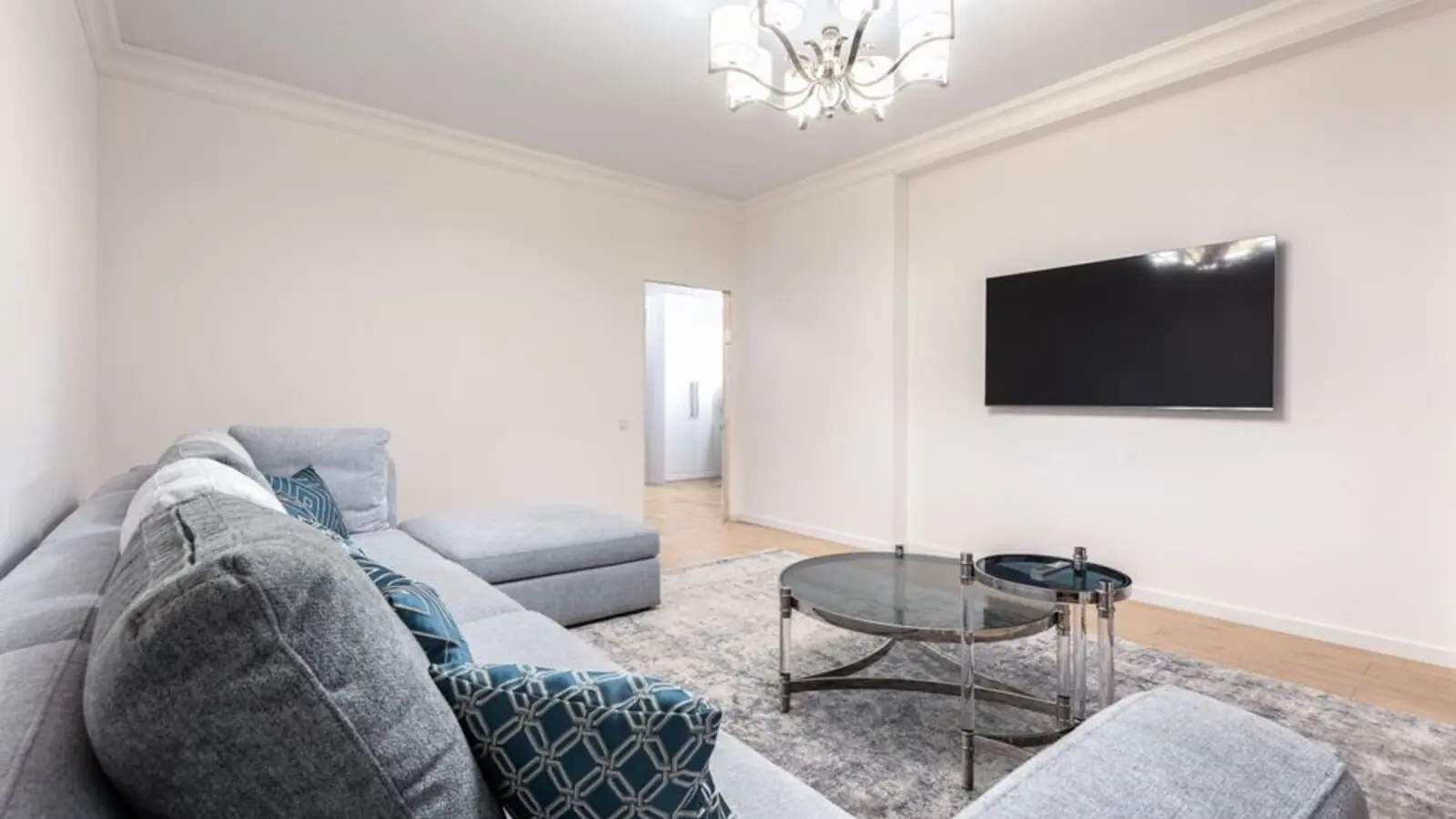
Versova, Andheri West, Mumbai
To be announced • Price on Request
17.18 lakh sq ft MHADA redevelopment
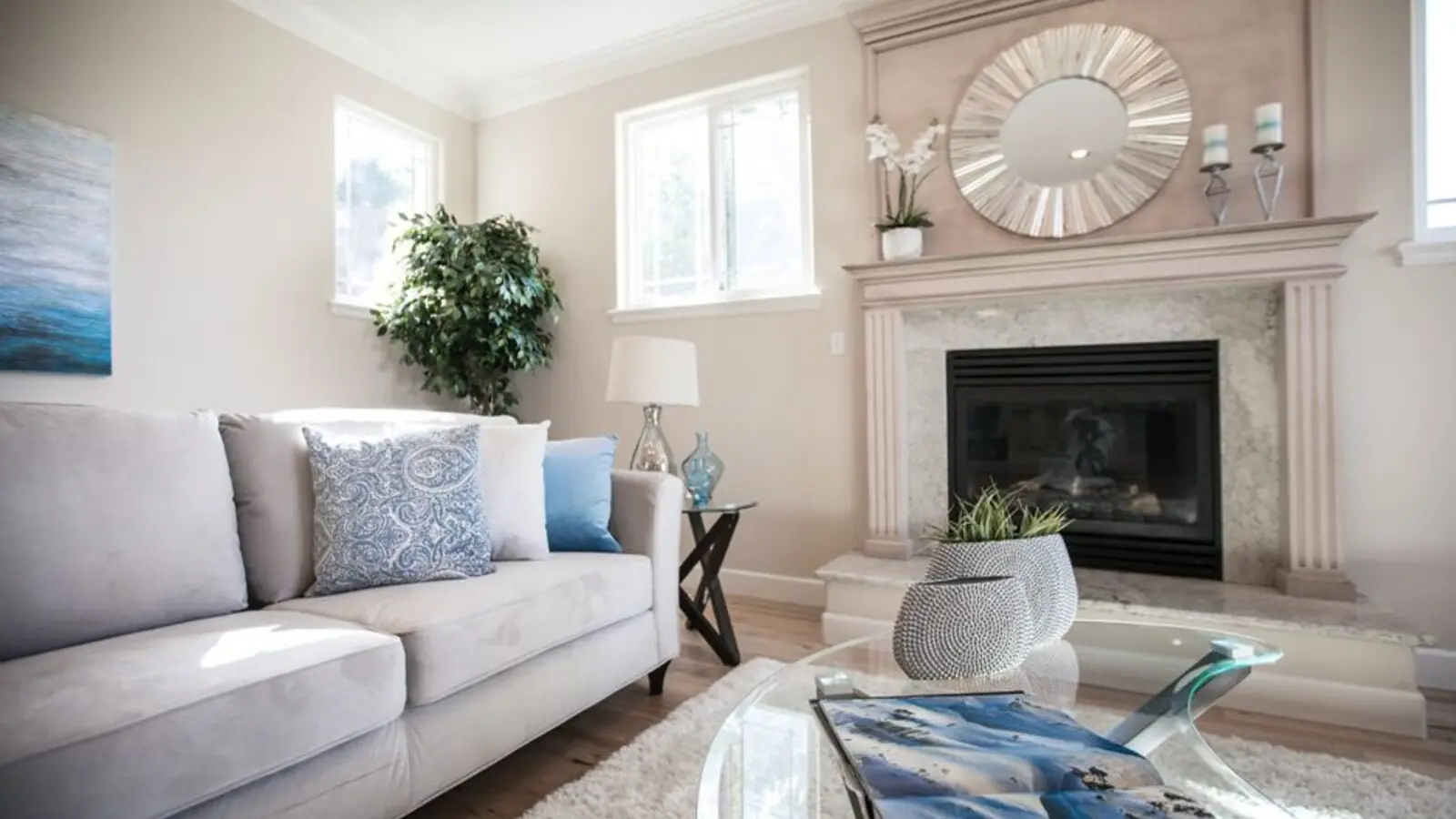
Malabar Hill, Mumbai
3, 4 BHK • Price on request
Cluster redevelopment on Mumbai's most prestigious hill
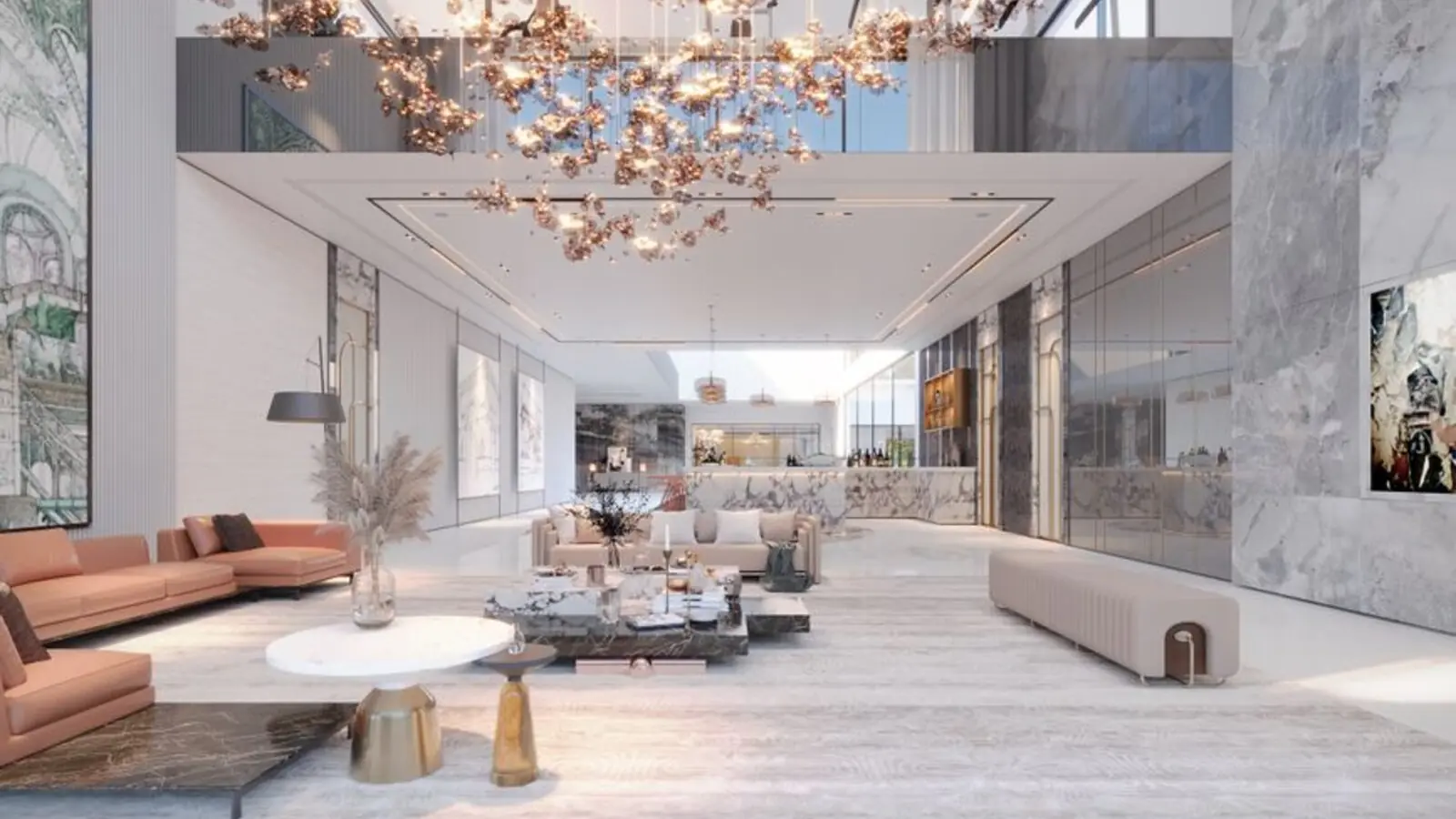
Worli, Mumbai
Ultra-luxury residences • Price on request
India's first Aman-branded residences
Karjat, Mumbai
Residential Plots • Price on Request
Gated hillside plots in the Sahyadri foothills
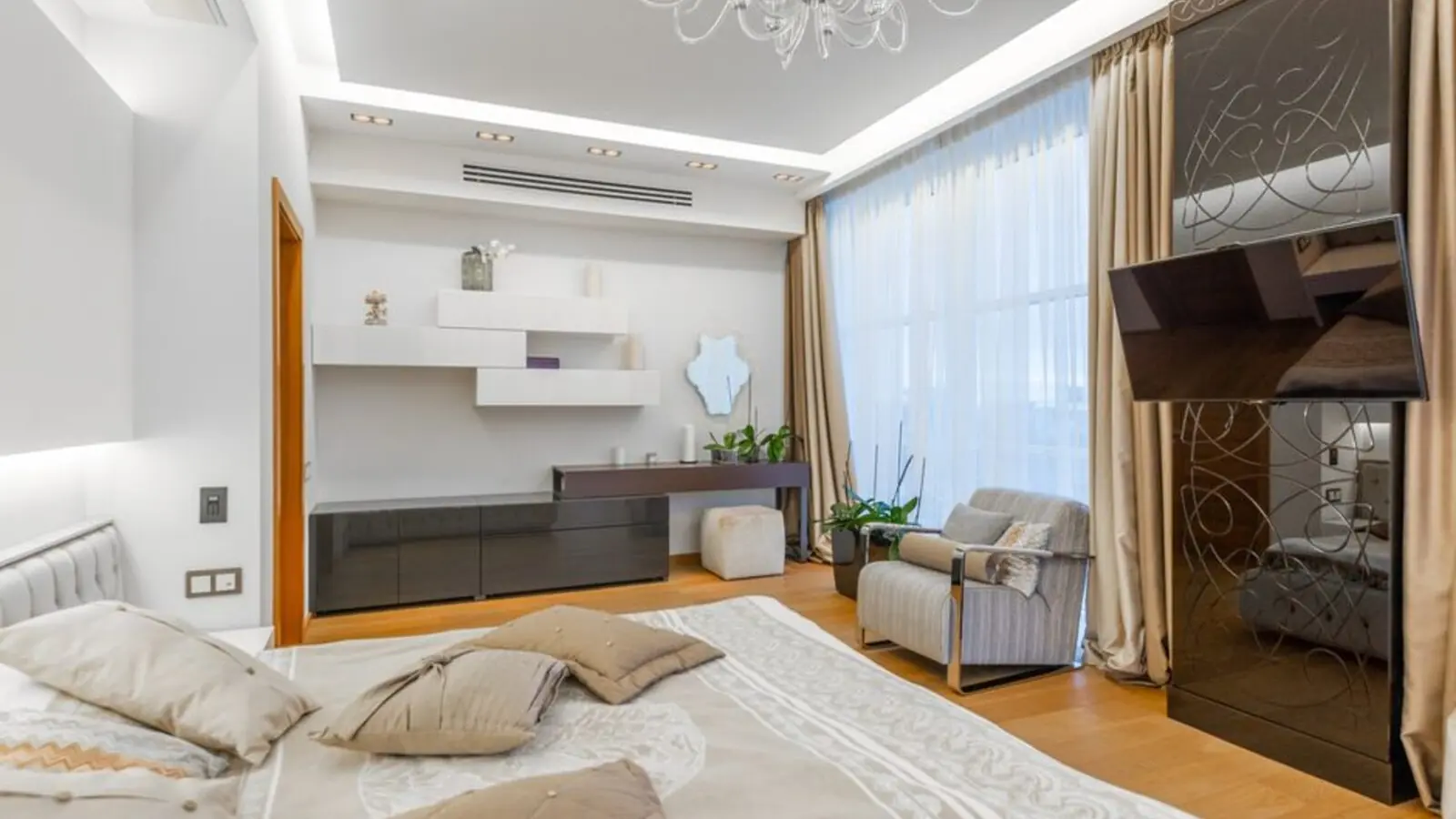
Worli, Mumbai
3, 4 BHK • Price on Request
MHADA redevelopment on Worli Seaface
Fill in your details and our team will get back to you shortly with pricing, availability, and more.
The information here is shared in good faith for guidance alone and forms no part of any agreement. All figures, layouts, and images are subject to revision. Please confirm every detail with an authorised representative before proceeding. About · Projects
Share your details and our expert will call you back.