NMIA's opening is turning a quiet coastline into Mumbai's newest address of ambition.
Get DetailsThere are moments in a city's life when geography quietly rearranges itself, and the opening of the Navi Mumbai International Airport is one of them. India's newest airport began commercial flights on December 25, 2025, following its inauguration on October 8 by Prime Minister Narendra Modi. For a region that spent nearly three decades waiting on paper approvals, land acquisitions and shifting timelines, the sight of the first aircraft touching down at Ulwe was less an infrastructure update than a long-promised homecoming.
The scale of what has been built is not modest. Spanning 1,160 hectares, it is one of India's largest greenfield projects, built at an initial cost of ₹19,650 crore, developed as a partnership between CIDCO and Adani Airport Holdings. Its lotus-inspired terminal has already become a talking point, but the more consequential story for homebuyers is what happens on the ground beneath its flight paths. Official reporting indicates that the airport handled ~21,000 passengers in its first four days of operations, and the ramp-up has only steepened since. The airport connected 46 domestic destinations within the first seven months of operations and handled more than 2.3 million passengers during the domestic phase between December 2025 and July 2026. By February 2026, the airport moved to round-the-clock operations, and in a milestone that surprised even seasoned aviation watchers, the airport launched its first international service on July 15, 2026, with Air India Express operating a direct flight to Abu Dhabi three times per week — a gateway moment that shifted NMIA from a domestic feeder airport into a genuine second international hub for the Mumbai Metropolitan Region.
What this has meant for real estate is best described as compounding momentum rather than a single spike. Property prices in the Panvel region have jumped 74% since 2021, with the airport boom accelerating appreciation significantly, and the effect has rippled outward. The NMIA launch has already increased property prices by 30% to 50% in key surrounding localities such as Ulwe and Panvel. Land, unsurprisingly, has moved even faster than built apartments: plot prices near the airport have surged 93%, trading at ₹80,000-₹85,000 per square yard. Among the micro-markets in this belt, one has pulled distinctly ahead. Ulwe is considered the biggest direct beneficiary because of its close proximity to the airport terminal and strong connectivity through the Atal Setu.
The Atal Setu deserves its own mention in this story, because an airport without roads is only half a promise kept. India's longest sea bridge at 21.8 km, connecting Sewri in Mumbai to Chirle near Panvel, cuts travel time from Panvel to South Mumbai to under 20 minutes. That single stretch of concrete and steel has done more to collapse the psychological distance between South Mumbai and the airport belt than any marketing brochure ever could. Layer onto this the employment dividend — the airport is expected to generate approximately 4 lakh direct and indirect jobs, creating sustained housing demand across the southern belt — and the case for the region stops being speculative and starts looking structural.
It is against this backdrop that developer interest in the corridor has sharpened. Oberoi, long associated with landmark addresses in Mumbai's western suburbs, has extended its presence into this growth arc with a residential project positioned only minutes from the new terminal in Panvel — a bet on precisely the kind of connectivity-led demand the airport is now generating. It is a familiar playbook for the developer: when Oberoi launched its 75-acre Garden City project in Thane, another node of the MMR growth story, it sold luxury homes worth Rs 1,348 crore within the first three days of launch — a reminder of how quickly buyers respond when a trusted name meets a genuinely emerging location.
For homebuyers watching from the sidelines, the honest read of the market is this: the easy, early-mover pricing that defined Ulwe and Panvel in 2022 and 2023 has largely passed. What remains is a market moving from speculation to substance — real flights, real passenger traffic, real jobs, and real connectivity, all converging in the same twelve-month window. That combination rarely stays quiet in Indian real estate for long, and the airport belt's next chapter is likely to be written not in announcements, but in the steady climb of registration data over the coming quarters.
Bandra East, Mumbai
To be announced • Pricing on request
11-acre railway land, ₹5,400 Cr bid, next to BKC

Bandra East, Mumbai
TBA • Price on Request
11-acre railway land parcel beside Western Express Highway
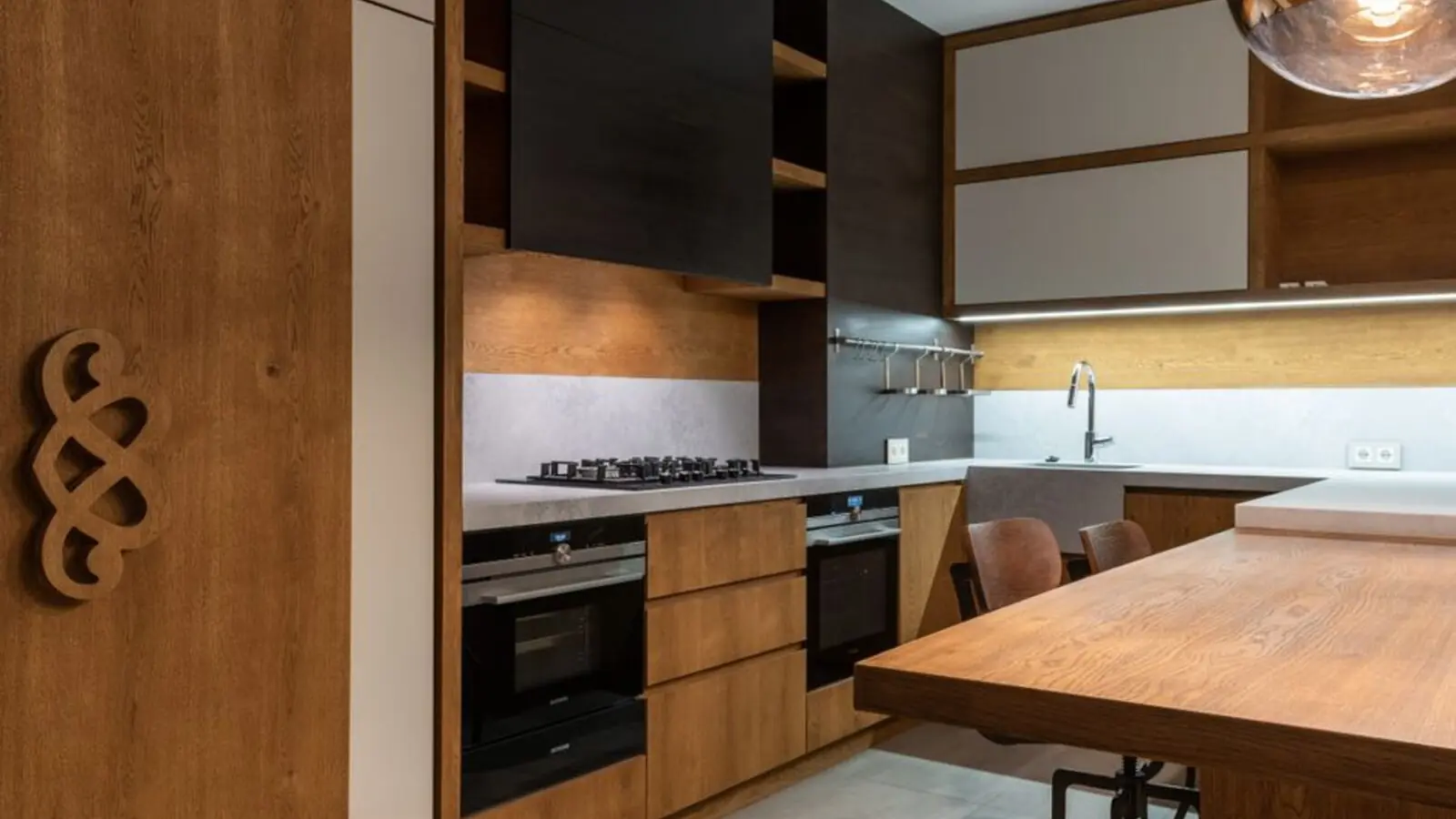
Juhu, Mumbai
To Be Announced • Price on Request
1.85-acre sea-facing redevelopment
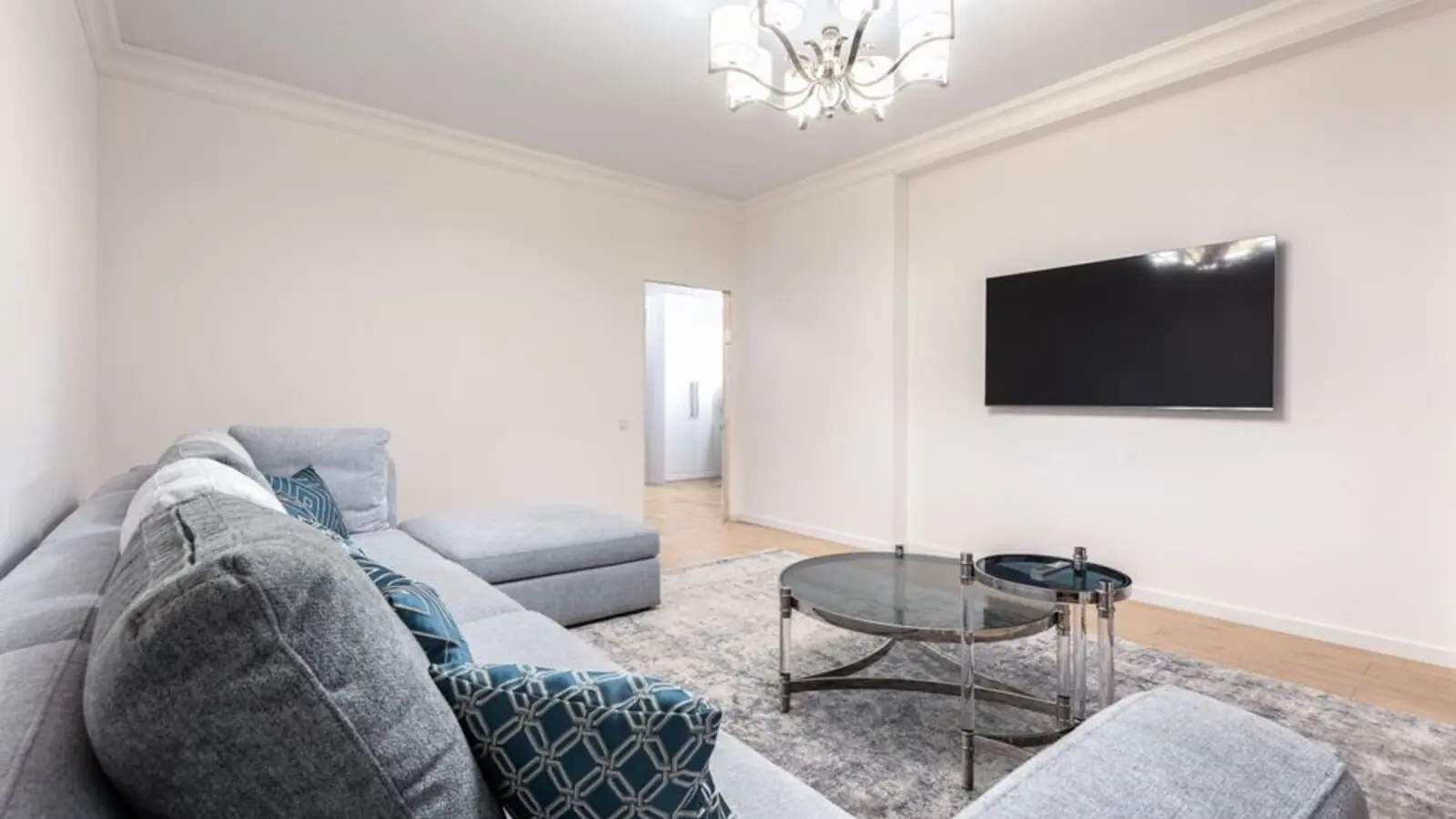
Versova, Andheri West, Mumbai
To be announced • Price on Request
17.18 lakh sq ft MHADA redevelopment

Malabar Hill, Mumbai
3, 4 BHK • Price on request
Cluster redevelopment on Mumbai's most prestigious hill
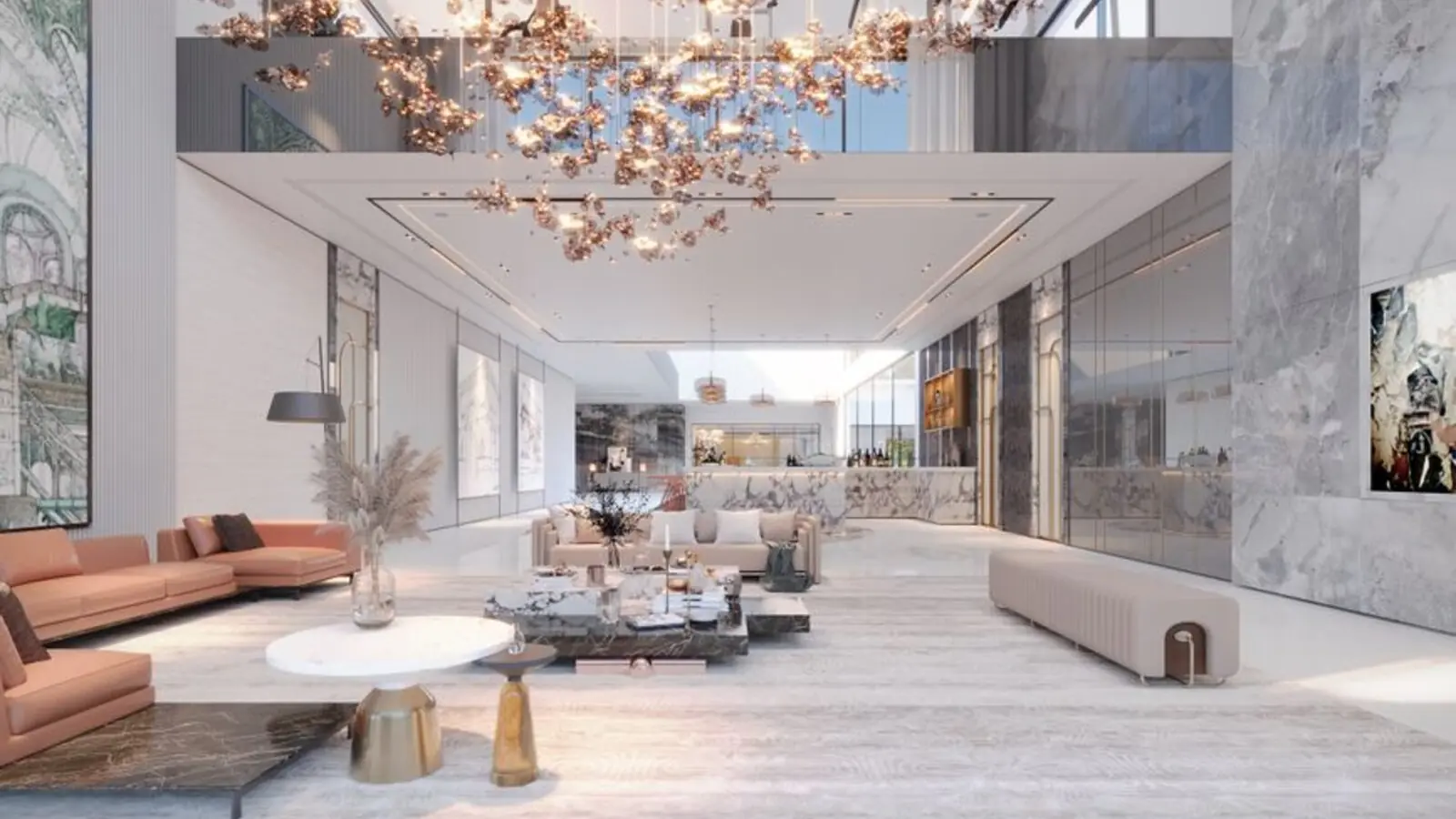
Worli, Mumbai
Ultra-luxury residences • Price on request
India's first Aman-branded residences
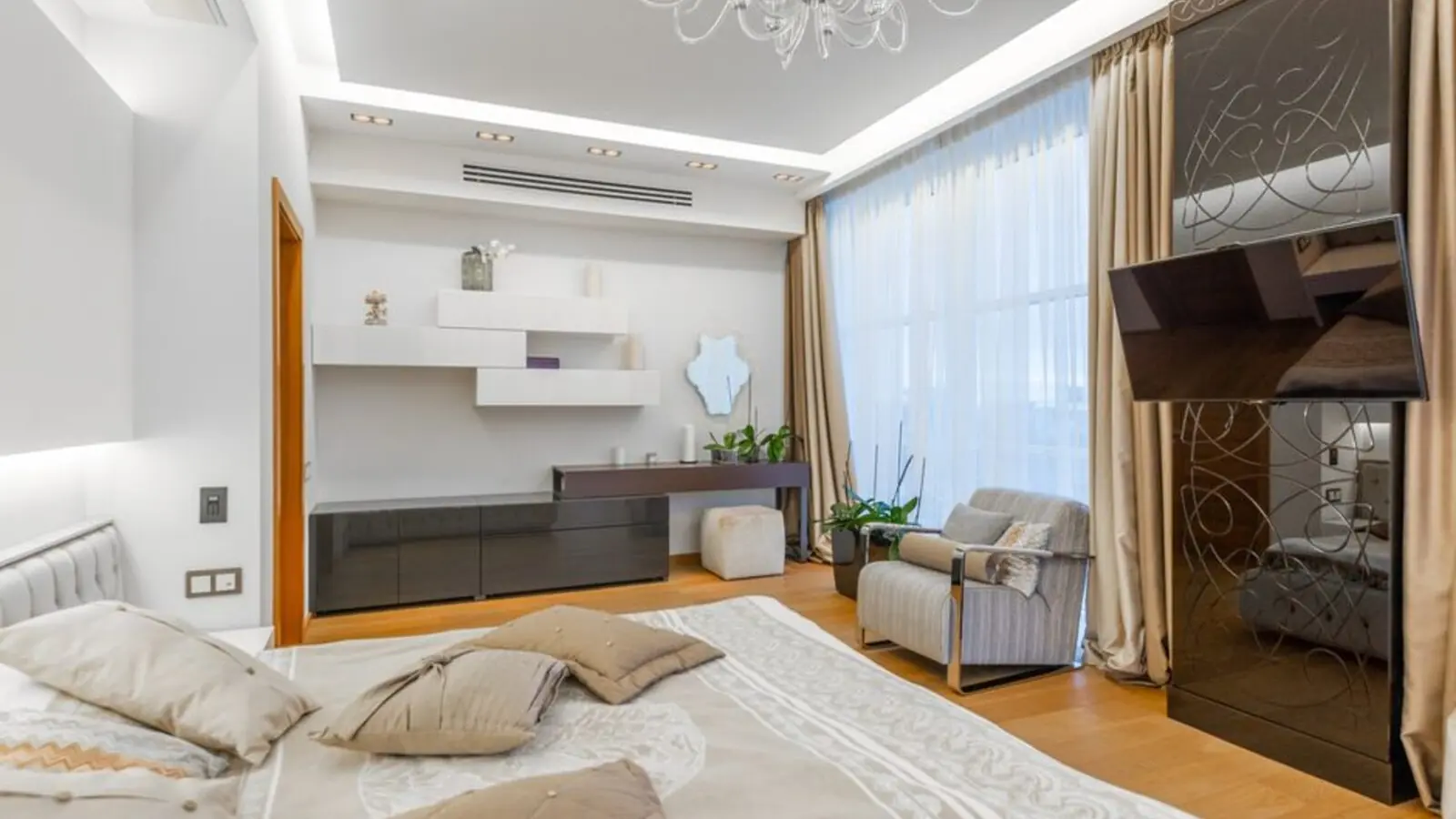
Worli, Mumbai
3, 4 BHK • Price on Request
MHADA redevelopment on Worli Seaface
Bandra West, Mumbai
3, 4, 5 BHK • Price on Request
Sea-facing luxury near Bandra Bandstand
Fill in your details and our team will get back to you shortly with pricing, availability, and more.
The information here is shared in good faith for guidance alone and forms no part of any agreement. All figures, layouts, and images are subject to revision. Please confirm every detail with an authorised representative before proceeding. About · Projects
Share your details and our expert will call you back.