A newly operational airport is redrawing the Mumbai Metropolitan Region's property map.
Get DetailsFor more than a decade, the Navi Mumbai International Airport existed mainly as a line item in real estate brochures, a promise that buyers were asked to take on faith. That changed decisively when the airport was inaugurated in October 2025 and began commercial operations on December 25, 2025, with international flights following in mid-2026. What was once speculative has now become measurable, and the numbers tell a compelling story for anyone tracking the Mumbai Metropolitan Region's property market.
The most visible effect has unfolded in the residential corridor stretching from the terminal outward to Ulwe, Panvel, Kharghar, Taloja, Karanjade, New Panvel and Dronagiri. While average prices across Navi Mumbai as a whole climbed by roughly 27% over five years, the airport-proximate pockets of Ulwe and Panvel have recorded even sharper appreciation, a direct consequence of sitting within the airport's immediate catchment area. Some market trackers report that property prices in the Panvel belt have jumped as much as 74% since 2021, with the pace of appreciation accelerating noticeably once the airport boom took hold.
Industry analysts are careful to note that the airport is not acting alone. Better connectivity has amplified its impact considerably: the Atal Setu sea bridge and Navi Mumbai Metro Line 1 have strengthened links between these corridors and the island city, shrinking commute times that once made these areas feel remote. Together, these infrastructure pieces are converting what used to be commuter suburbs into genuine business destinations in their own right.
The ripple effects extend well beyond housing. The airport's presence is expected to anchor a large economic zone built around logistics, hospitality, commercial offices and retail, with an upcoming Aerocity business district positioned to generate substantial employment near the terminal. When people find work close to an airport of this scale, they naturally want to live nearby, and that dynamic is what keeps housing demand elevated long after the initial launch excitement fades. It also eases pressure on Mumbai's original airport, making the wider region a more attractive proposition for multinational companies weighing where to set up offices.
For established developers with a Mumbai Metropolitan Region-wide footprint, this shift in the region's centre of gravity matters strategically. Oberoi Realty, long associated with landmark developments in Goregaon, Worli and Borivali, has been steadily expanding its presence across Thane through Oberoi Garden City Thane, a 75-acre integrated development that drew bookings worth over Rs 1,348 crore in its first three days alone. The company has also signalled plans to launch further projects across Mumbai, Thane and the coastal Alibaug belt through FY27, reflecting a broader recognition that connectivity upgrades such as the Atal Setu, the metro network and now the new airport are collectively redrawing which parts of the region command premium buyer attention.
What should a homebuyer take away from this? The airport effect, a well-documented phenomenon in urban planning where a major transit hub drives up surrounding land values, is playing out in real time in Navi Mumbai. Early movers in Ulwe and Panvel have already captured much of the initial upside, but market watchers expect the region to see sustained annual growth over the coming five to seven years as Aerocity, expanded rail lines and new commercial developments mature. For buyers evaluating the broader Mumbai Metropolitan Region, including established, well-connected micro-markets like Thane, the lesson from Navi Mumbai is that infrastructure-led growth rewards patience, due diligence and a preference for developers with a demonstrated record of executing large-format, amenity-rich townships.
Bandra East, Mumbai
To be announced • Pricing on request
11-acre railway land, ₹5,400 Cr bid, next to BKC
Juhu, Mumbai
To Be Announced • Price on Request
1.85-acre sea-facing redevelopment
Versova, Andheri West, Mumbai
To be announced • Price on Request
17.18 lakh sq ft MHADA redevelopment
Malabar Hill, Mumbai
3, 4 BHK • Price on request
Cluster redevelopment on Mumbai's most prestigious hill
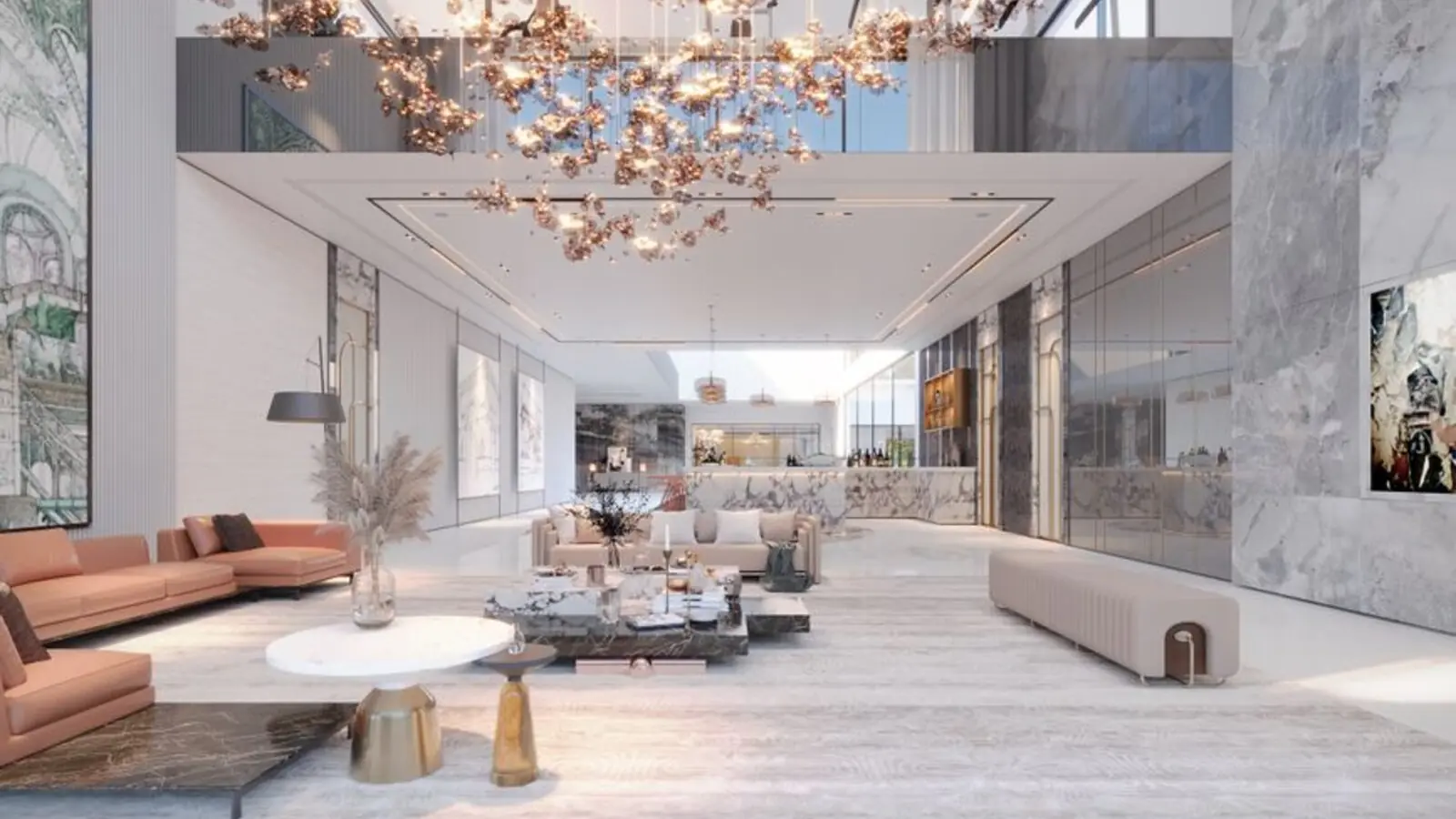
Worli, Mumbai
Ultra-luxury residences • Price on request
India's first Aman-branded residences
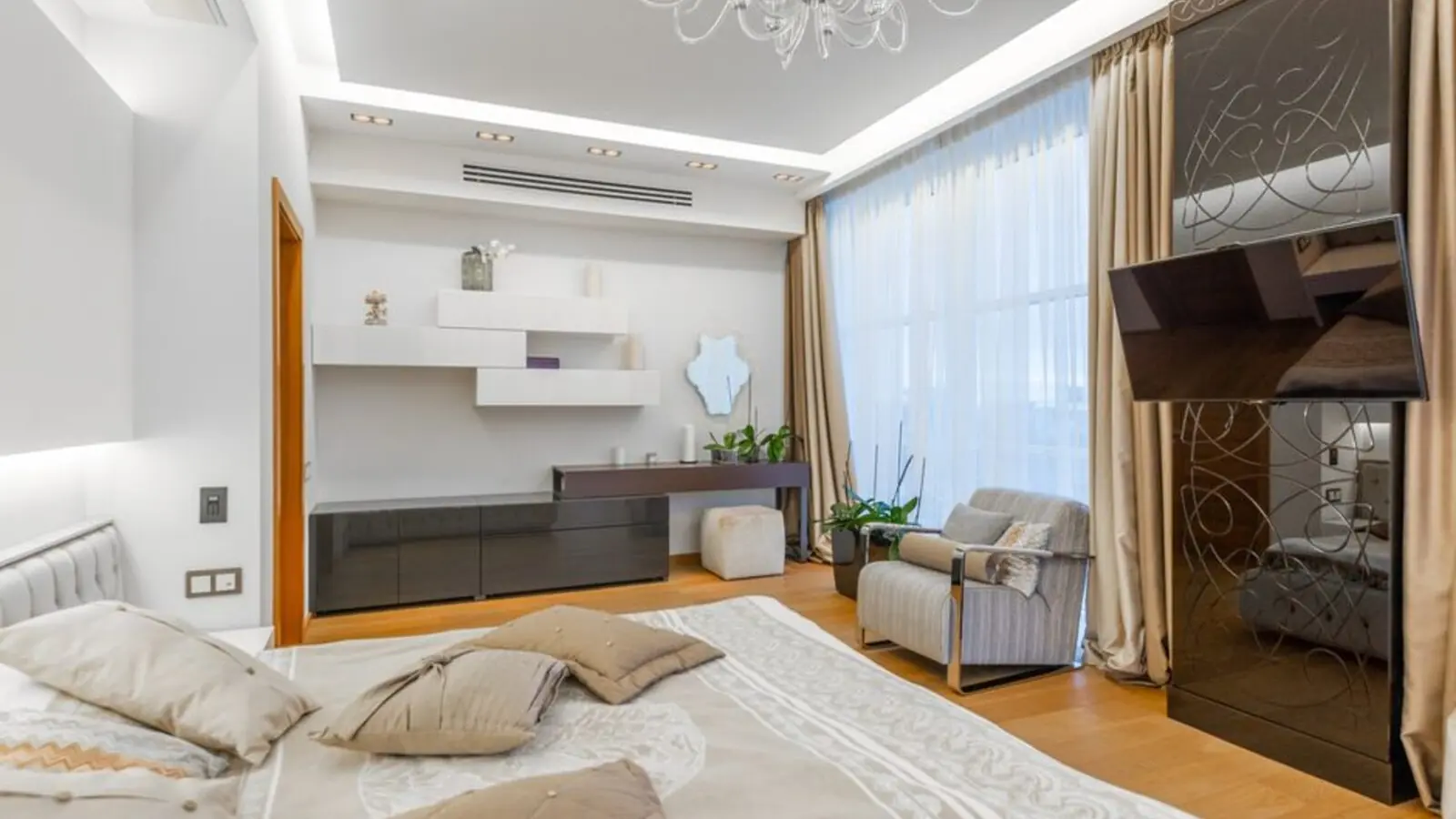
Worli, Mumbai
3, 4 BHK • Price on Request
MHADA redevelopment on Worli Seaface
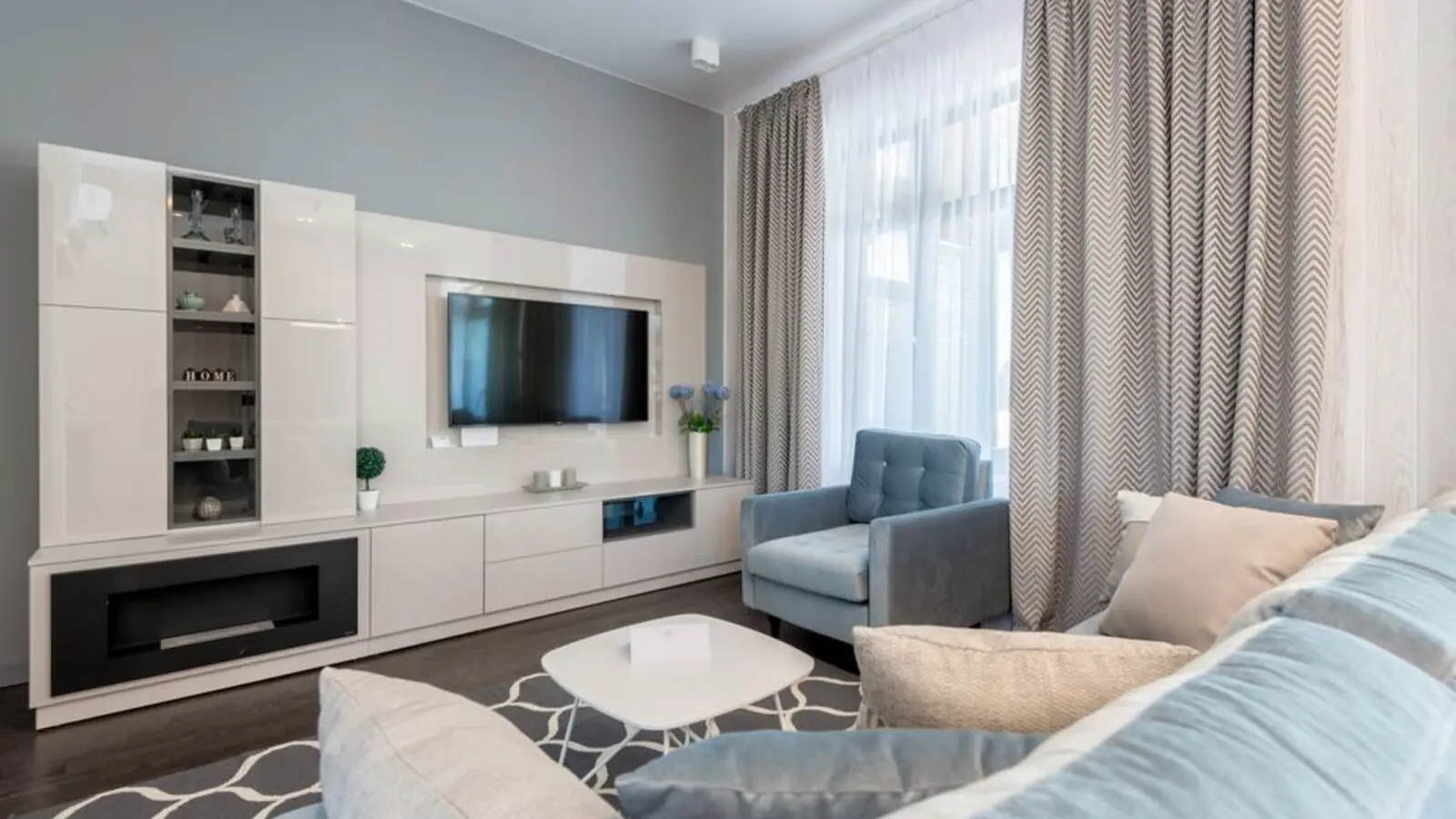
Bandra West, Mumbai
3, 4, 5 BHK • Price on Request
Sea-facing luxury near Bandra Bandstand
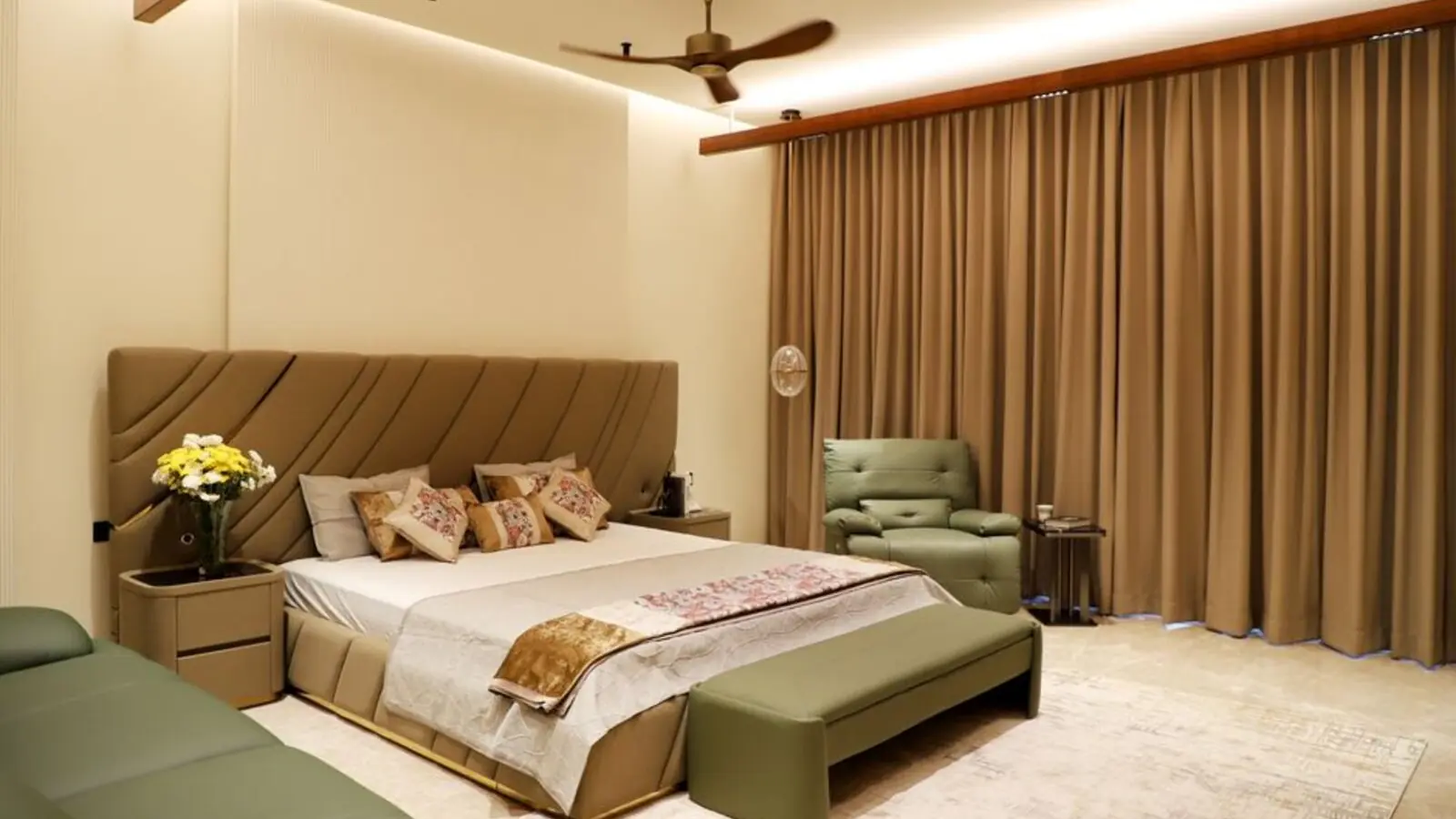
Bandra East, Mumbai
To be announced • Price on request
11-acre railway land, 19.5 lakh sq ft FSI
Fill in your details and our team will get back to you shortly with pricing, availability, and more.
The information here is shared in good faith for guidance alone and forms no part of any agreement. All figures, layouts, and images are subject to revision. Please confirm every detail with an authorised representative before proceeding. About · Projects
Share your details and our expert will call you back.