Two landmark infrastructure projects are turning Navi Mumbai into Mumbai's next big address.
Get DetailsFor more than a decade, Navi Mumbai International Airport existed largely as a line item in brochures and government press releases, a promise repeated so often that buyers had grown weary of waiting. That changed with its October 2025 inauguration and December 25, 2025 commercial launch, with international operations following in mid-2026. What was once a distant possibility is now a working airport with real flights, real footfall, and a real gravitational pull on the surrounding property market.
Alongside the airport, the Mumbai Trans Harbour Link, popularly known as Atal Setu, has quietly rewritten the geography of commuting between South Mumbai and the eastern shore. Inaugurated in January 2024 after almost ten years of construction, this 5.96 km cable-stayed bridge has reduced travel time between South Mumbai and Navi Mumbai from 90-120 minutes by road to just 20-25 minutes. That single change in commute arithmetic has done more to alter buyer psychology than perhaps any policy announcement in recent memory, because for the first time, a South Mumbai address and a Navi Mumbai one can genuinely belong to the same working day.
The two projects do not operate in isolation. The airport's biggest practical advantage is its connectivity, linking directly to the Mumbai Trans Harbour Link, the Sion-Panvel Highway, and the developing Navi Mumbai Metro. This layering of infrastructure, road, sea-bridge and soon metro, has created what planners call a growth corridor rather than a single hotspot, and it is this corridor effect that has caught the attention of both homebuyers and developers watching the region.
The numbers bear this out. The impact has spread across the entire corridor, extending from the terminal to clusters like Ulwe, Panvel, Kharghar, Taloja, Karanjade, New Panvel and Dronagiri, with the effect most acutely seen in the residential segment, where average prices in Navi Mumbai climbed steadily by about 27% over five years, and airport-proximate pockets such as Ulwe and Panvel showing even sharper growth as a direct result of their position within NMIA's immediate catchment. Industry voices have echoed this shift with characteristic candour. Niranjan Hiranandani, Chairman of NAREDCO, observed that demand for properties has surged across Navi Mumbai, with rentals and capital values rising 20-22% within a few months of the bridge's inauguration as households moved in given the improved connectivity.
What makes this moment different from earlier speculative cycles is the sense of permanence attached to it. The key change is permanence, since infrastructure-backed demand tends to stick in a way that announcement-driven speculation rarely does. Roads get built, bridges open, flights take off, and the value they create does not evaporate with the next election cycle or policy reversal. For a developer like Oberoi Realty, whose own portfolio spans the Thane and Mumbai corridors that feed into this very network of highways and sea-links, the broader lesson is unmistakable: connectivity compounds. Established addresses in Thane, including large-format developments along Kolshet, sit within the same web of Eastern Freeway, Ghodbunder Road and metro expansion that is now pulling Navi Mumbai into Mumbai's daily orbit, and the company has signalled continued appetite for this belt, with plans to launch new residential towers in Thane's Kolshet area alongside developments in Mumbai and Alibaug through the current fiscal year.
For the homebuyer standing at this crossroads, the practical takeaway is straightforward. Early movers into infrastructure-backed corridors have historically captured the steepest part of the appreciation curve, while latecomers pay a premium for the same convenience. With experts estimating residential property values in these zones may appreciate a further 10-15% over the next 2-3 years, building on instances where prices in the region have already doubled over the past decade, the window for value-conscious entry is narrowing even as the fundamentals strengthen. Whether one's interest lies directly in the airport-adjacent nodes or in the wider Mumbai-Thane-Navi Mumbai triangle that benefits from the same connectivity dividend, the message from this infrastructure moment is the same: proximity to well-planned transit is no longer a bonus feature in Mumbai real estate, it is the deciding factor.
Bandra East, Mumbai
To be announced • Pricing on request
11-acre railway land, ₹5,400 Cr bid, next to BKC
Juhu, Mumbai
To Be Announced • Price on Request
1.85-acre sea-facing redevelopment
Versova, Andheri West, Mumbai
To be announced • Price on Request
17.18 lakh sq ft MHADA redevelopment

Malabar Hill, Mumbai
3, 4 BHK • Price on request
Cluster redevelopment on Mumbai's most prestigious hill
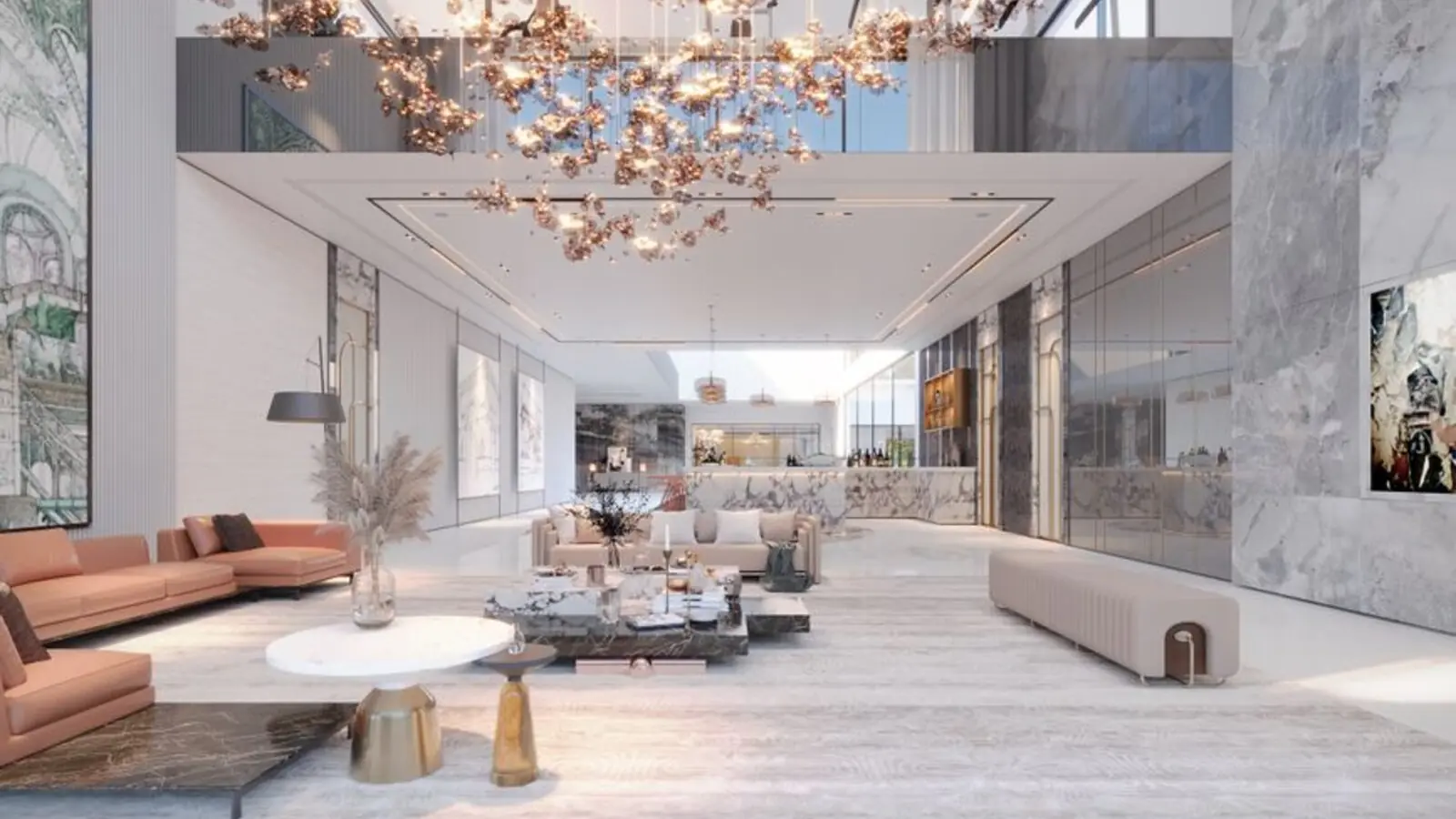
Worli, Mumbai
Ultra-luxury residences • Price on request
India's first Aman-branded residences
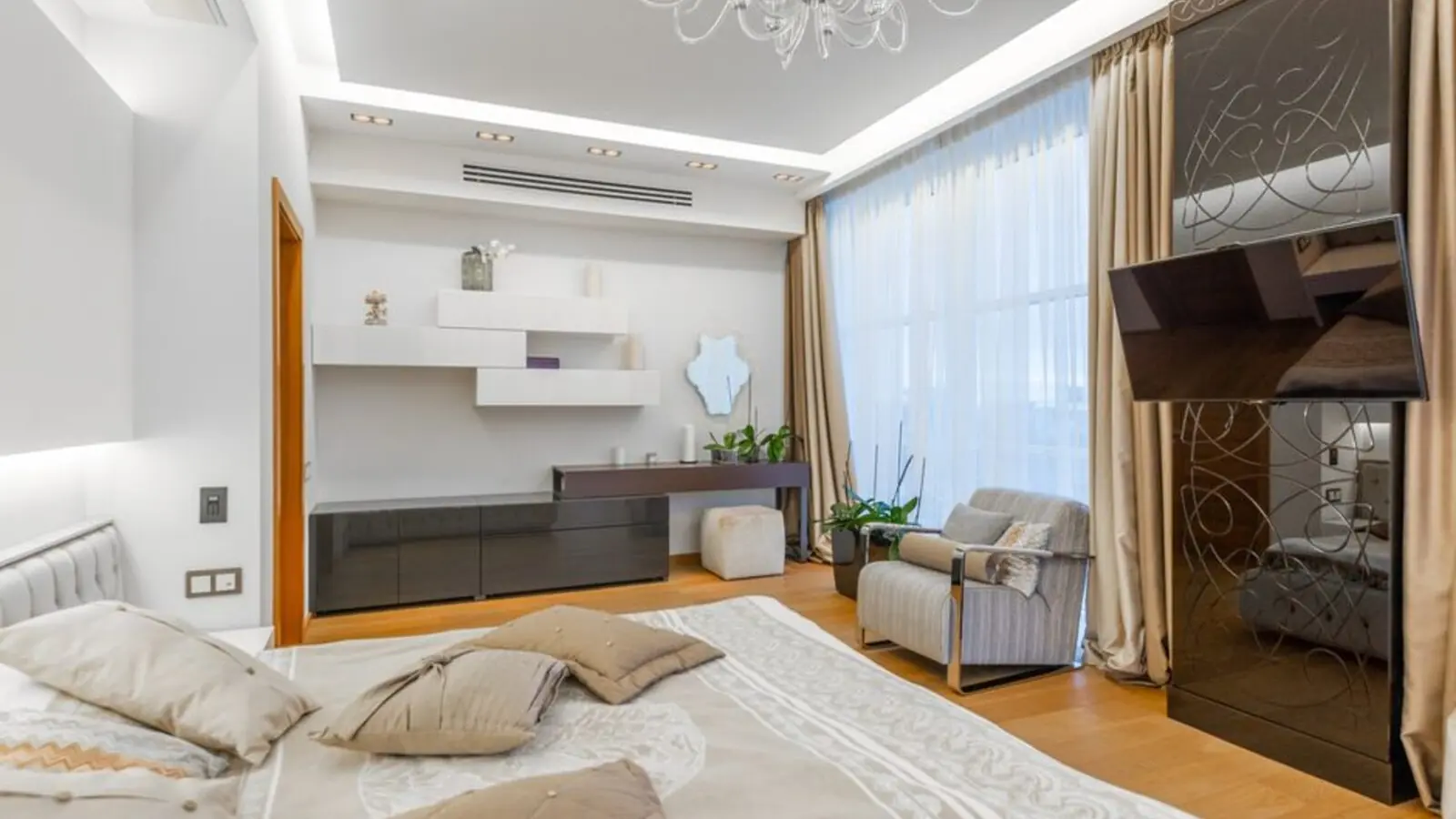
Worli, Mumbai
3, 4 BHK • Price on Request
MHADA redevelopment on Worli Seaface
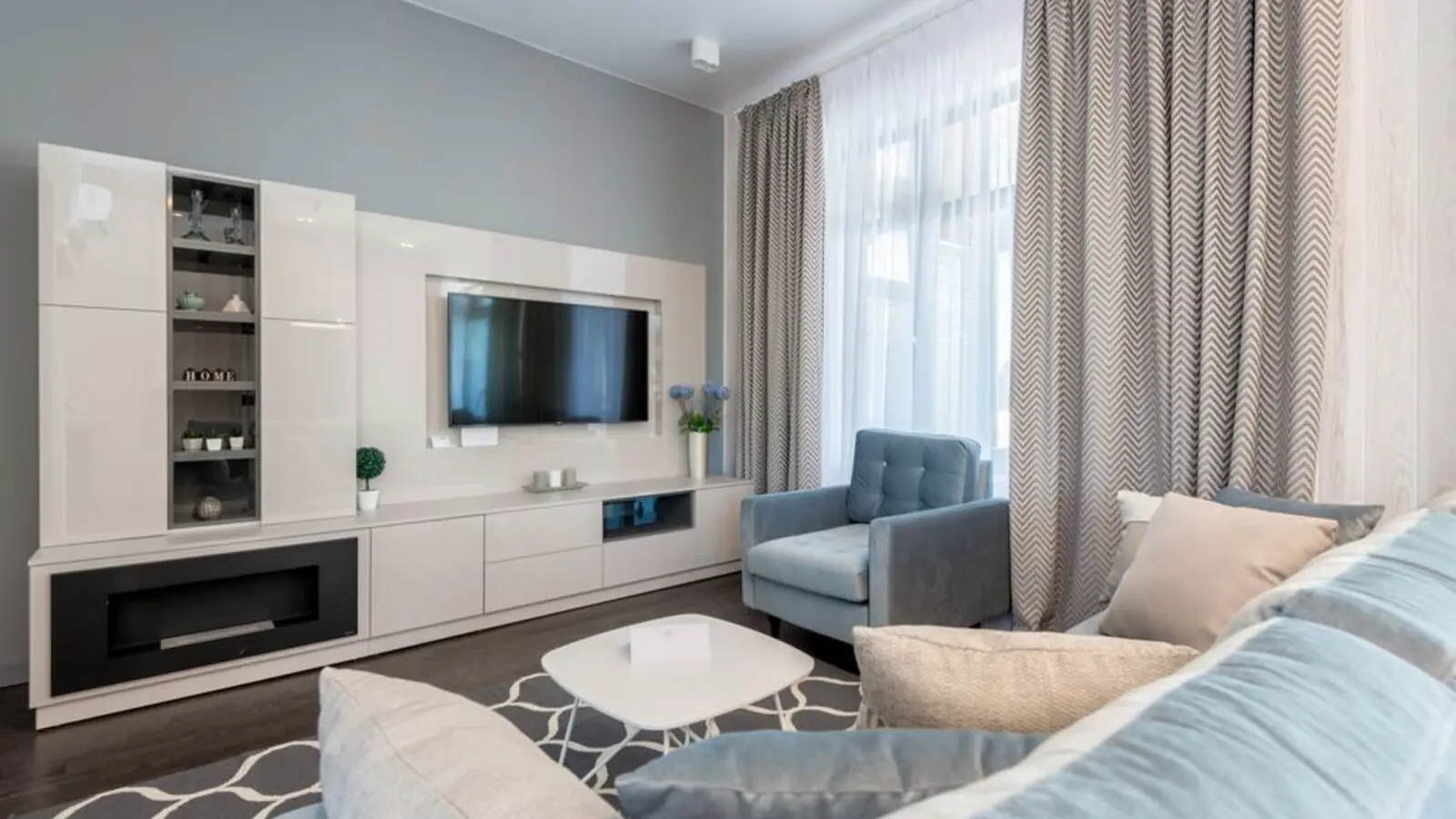
Bandra West, Mumbai
3, 4, 5 BHK • Price on Request
Sea-facing luxury near Bandra Bandstand
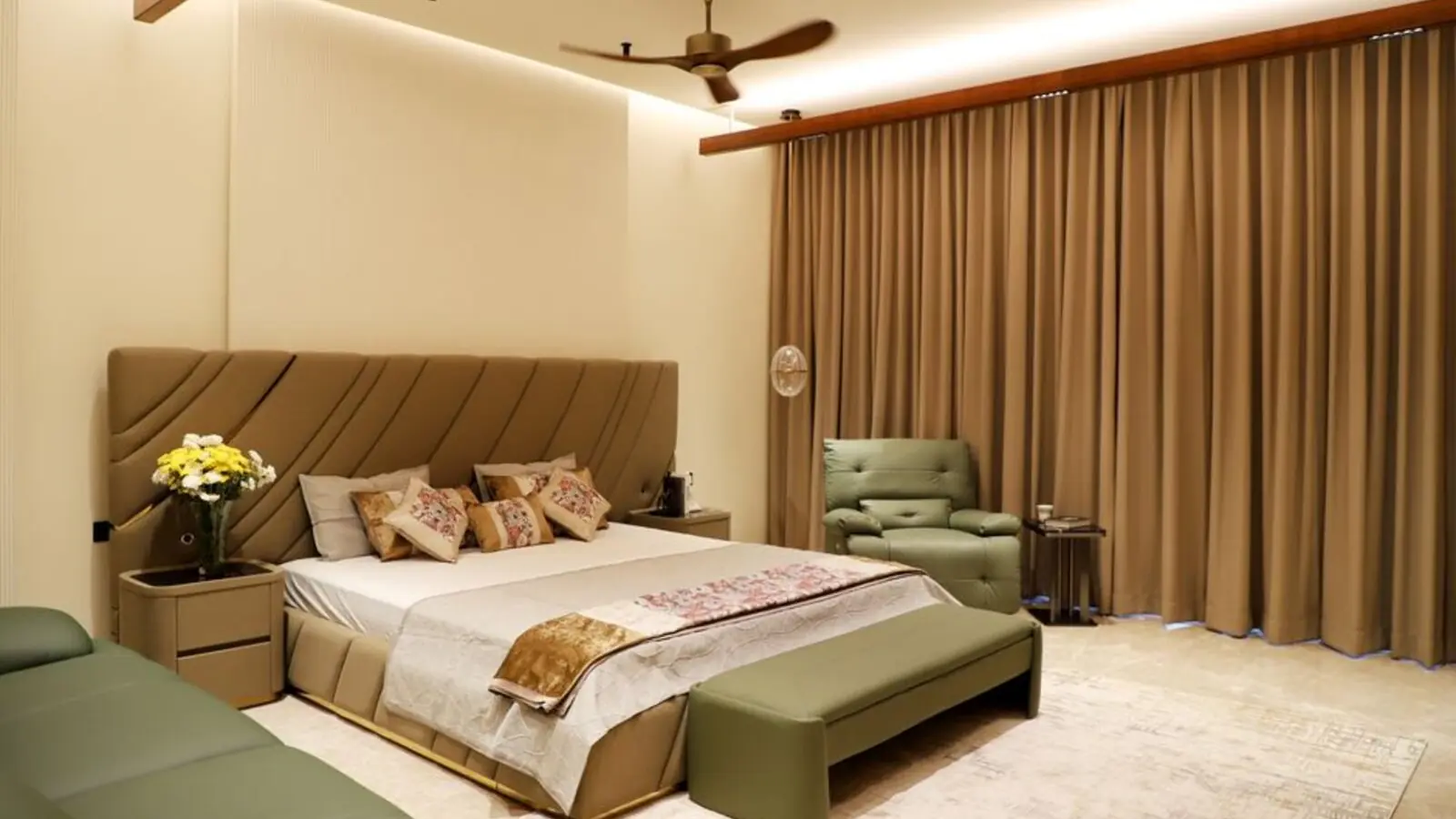
Bandra East, Mumbai
To be announced • Price on request
11-acre railway land, 19.5 lakh sq ft FSI
Fill in your details and our team will get back to you shortly with pricing, availability, and more.
The information here is shared in good faith for guidance alone and forms no part of any agreement. All figures, layouts, and images are subject to revision. Please confirm every detail with an authorised representative before proceeding. About · Projects
Share your details and our expert will call you back.